

Choosing a painter is one decision. Knowing you have chosen the right painting professionals is another. Once you have accepted a quote, the strongest signs of a good choice are practical: the agreed scope stays clear, preparation is taken seriously and the team treats your property with care.
For Melbourne homeowners and business owners, those signs matter more than a polished sales pitch. You should be able to see what you are paying for before the first coat goes on and understand what happens if something needs attention afterwards.
Here are five signs to look for from booking through to the final walkthrough, along with the warning signs worth addressing early.
1. The written quote becomes a clear working plan
A reliable painter does not leave the details behind once you approve the price. The quote should become the reference point for the work, with the same rooms, surfaces, preparation requirements and coating system discussed during the inspection.
Before work begins, you should know which walls, ceilings, doors and trims are included. Exterior jobs need similar clarity around weatherboards, masonry, windows, fences or other agreed surfaces. Assumptions such as “all timberwork” can cause disagreements if nobody has defined what that means.
You should also understand the proposed products, application scope, exclusions and payment arrangements. If you are checking the accepted quote against another proposal, our guide to comparing painting services in Melbourne explains how to compare like-for-like work rather than headline prices.
Reliable painting professionals keep this scope visible throughout the project and explain any changes before carrying them out. If stripping loose paint reveals damaged timber, for example, they should show you the problem and agree on the next step rather than quietly adding an unexpected charge.
The same buying principle applies when comparing paint protection packages for a new car: preparation, inclusions and aftercare tell you more than the package name alone. Automotive protection and building paints are different systems, but both deserve a clearly defined scope.
A reassuring sign: The team can explain what is included, what is excluded and how variations will be approved without contradicting the quote.
2. Preparation is visible, not just promised
Preparation is often less noticeable than a fresh colour, yet it has a direct bearing on how well a coating performs. A trustworthy team gives this stage attention even when the finished paint will conceal much of the work.
The appropriate preparation depends on the surface. You might see washing, scraping loose coatings, sanding, filling defects or applying a suitable primer. Not every surface needs every treatment, so the useful sign is a clear explanation of why a particular approach suits your property.
They deal with defects rather than disguise them
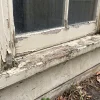
A painter should distinguish between a cosmetic defect and an underlying problem. Small dents may be suitable for filling. An active leak, persistent damp patch or deteriorating substrate needs a different response, potentially involving another trade before painting continues.
Good painting professionals explain those limits instead of presenting another coat as a cure for every problem. They should also use appropriate precautions if old coatings could contain lead, rather than treating uncontrolled sanding dust as an ordinary inconvenience.
You do not need to supervise each task. At an agreed check-in, ask the team to show you an example of the preparation and explain the next stage. Stay outside restricted work areas and avoid touching wet coatings or equipment.
A warning sign: Peeling edges are being painted over, damp areas remain unexplained or substantial repairs appear without any discussion of scope and cost.
3. Your property is protected and the site stays organised
Respect for your property should be evident throughout the job, not just during the final clean-up. Floors, furniture and fittings need suitable protection, while access routes should remain safe and workable.
Look for protection that matches the task. A quick coat on a wall does not create the same risks as overhead sanding or spray application. Coverings should remain secure and spills, dust or overspray should be managed rather than allowed to spread into neighbouring rooms.
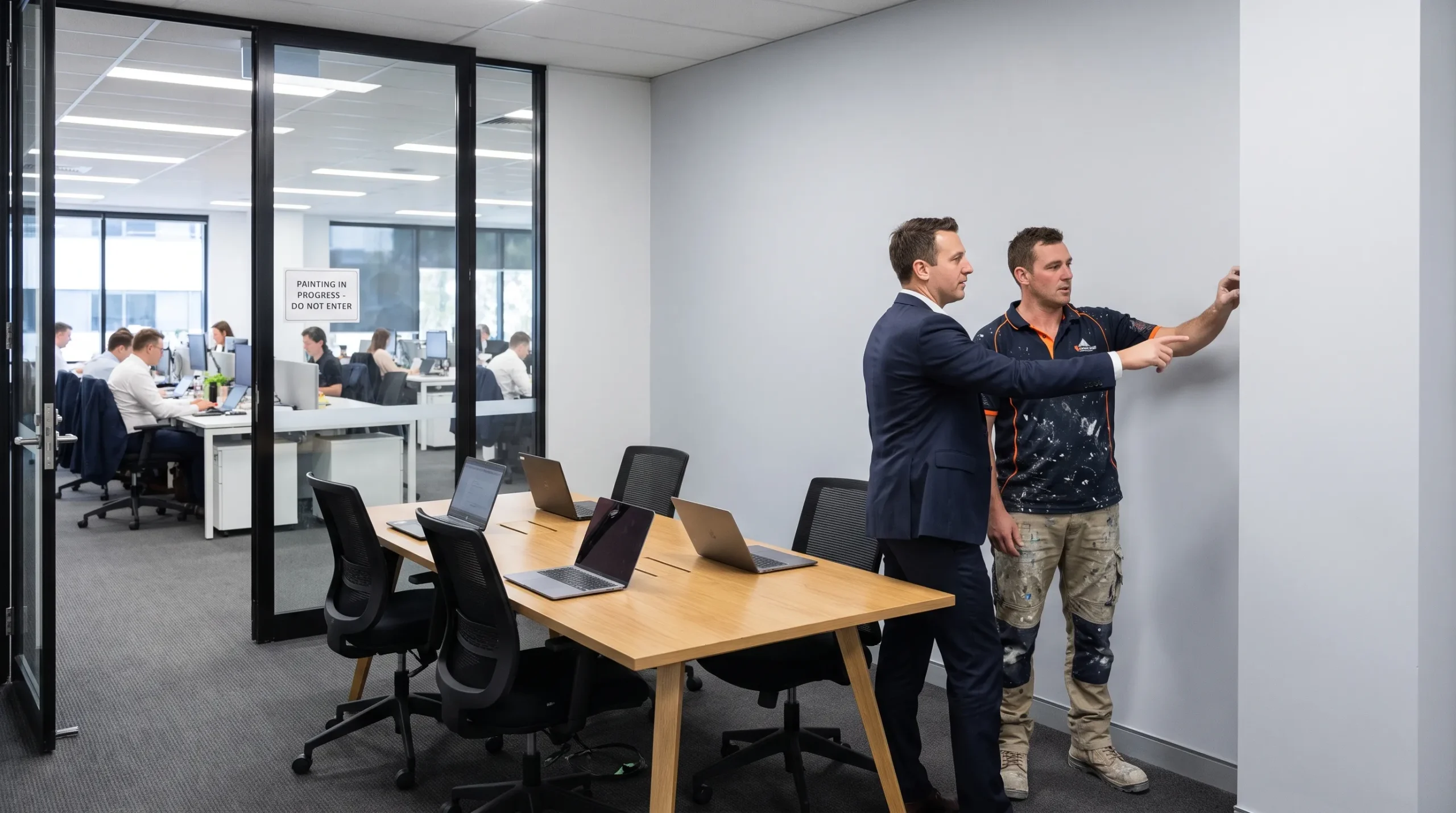
For a household, the team should discuss furniture access, pets, children and which rooms will be unavailable. In a commercial space, the plan may need to account for customers, deliveries, staff access and the separation of work areas from occupied areas.
Dependable painting professionals make these arrangements before they become disruptions. You should know who is coordinating the work and who to contact if a covering shifts, an access route becomes blocked or the day’s arrangements need to change.
The work fits the rest of the project
On a renovation, organisation also means coordinating with other trades. Freshly painted walls can be damaged by later electrical work, joinery installation or flooring tasks. Our painting and finishing tips for renovations explain why the work sequence deserves attention.
Insurance and safety credentials should be supported by documentation, not inferred from a tidy site. Good housekeeping is a positive sign, but it does not replace checking appropriate cover or safe working arrangements.

A reassuring sign: The team leaves the work area controlled and orderly, with equipment stored safely and agreed access available at the end of the day.
4. Communication stays honest when conditions change
A good experience does not require a project to run without any interruptions. It requires the painter to communicate clearly when something affects the agreed plan.
Melbourne exterior work can be affected by rain, temperature and surface conditions. Indoors, repairs may need additional drying time before the next stage. Paint products also have application and recoating requirements that should guide the work, rather than being ignored to meet a promised finish date.
The right painting professionals explain a delay in terms you can understand: what has changed, which work is affected and when they expect to reassess the schedule. That is more useful than either silence or an unrealistic guarantee that everything will proceed regardless of conditions.
A workable communication routine is usually simple. Before starting, agree on the main contact, approximate working hours and how you will receive updates. Larger jobs may benefit from scheduled check-ins, while a small project may need only a brief conversation at key stages.
Colour decisions should receive the same care. If samples are part of the agreed process, assess them in the actual space under different lighting conditions before confirming the selection. Record the chosen colour and sheen so nobody relies on memory.
A warning sign: Different team members give conflicting instructions, additional costs are mentioned only after the work is done or concerns repeatedly go unanswered.
Raise an issue promptly and describe it specifically. “The bedroom colour differs from the approved sample” gives the painter something concrete to investigate. Agree on the response and keep a written record where scope, cost or timing changes.
5. The final walkthrough comes with clear accountability
Completion should involve more than removing equipment and sending an invoice. A final walkthrough gives you and the painter a shared opportunity to check the agreed work and record any outstanding items.
Inspect from normal viewing positions under the lighting used in the space. Check coverage, consistency, edges and the surfaces listed in the scope. Look for missed areas, paint on fittings or unfinished repairs, while recognising that coating appearance also depends on the underlying substrate and agreed preparation standard.
Responsible painting professionals welcome a specific, reasonable discussion about the finish and distinguish genuine defects from work that was not included. If touch-ups are needed, ask what will be done and when, then record the agreed items.
You receive useful information for aftercare
Before handover is complete, confirm the products, colours and sheens used. Ask when the surfaces can be cleaned and how to care for them according to the coating manufacturer’s guidance. Paint that feels dry may still need more time before washing or regular wear.
Warranty information should also be clear. A workmanship warranty concerns the contractor’s work under its stated terms; it is not automatically a promise against every future crack, leak or coating failure. Ask about coverage, exclusions and the process for reporting a concern.
Auspainters provides a final walkthrough and a 5-year workmanship warranty. Confirm the applicable terms for your project and retain the quote, variation approvals, product details and warranty information together.
A reassuring sign: You leave the walkthrough knowing what is complete, what remains to be addressed and whom to contact afterwards.
A quick check at each project stage
| Stage | Positive sign | Issue to clarify |
|---|---|---|
| Before starting | The written scope matches the work plan | Missing surfaces or unclear exclusions |
| During preparation | Defects are assessed and suitable preparation is explained | Painting over loose coatings or unresolved damp |
| During painting | Protection and access arrangements remain effective | Uncontrolled dust, overspray or blocked access |
| When plans change | Updates explain the impact and next steps | Unapproved costs or unexplained delays |
| At handover | The walkthrough, touch-ups and aftercare are documented | Unclear warranty terms or outstanding work |
Use this as a conversation guide, not a substitute for the agreed contract. An isolated problem can be resolved; repeated avoidance of reasonable questions deserves closer attention.
Frequently asked questions
Can painting professionals guarantee that paint will never peel? No responsible contractor should promise that a coating will last indefinitely under every condition. Adhesion and durability depend on preparation, product suitability, moisture, substrate condition and ongoing exposure. Ask what the workmanship warranty covers instead of relying on an absolute claim.
Is a higher quote proof of better workmanship? No. A higher price may reflect more preparation, different materials or a broader scope, but price alone does not establish quality. Compare the specified work and then look for evidence that the team delivers it consistently.
Should I raise concerns during the job or wait until completion? Raise concerns when you notice them, especially if they involve colour, protection, preparation or scope. Early clarification can prevent the same issue from continuing across several rooms or surfaces.
What should I keep after the job is finished? Keep the accepted quote, approved variations, colour and product details, warranty terms and any agreed touch-up record. These documents help with maintenance, future matching and any later discussion about the work.
Choose painting professionals who make the details clear
The strongest reassurance comes from consistent behaviour: a clear scope, careful preparation, respect for your property, honest updates and an accountable handover.
Auspainters provides residential and commercial painting across Melbourne, including interior and exterior work. The team is Dulux accredited, fully insured and OHS compliant, with free quotations and a 5-year workmanship warranty. Request a quote to discuss your surfaces, project requirements and the finish you want to achieve.