

House painting prices in Melbourne depend on much more than the number of bedrooms. The condition of the surfaces, the areas being painted, access requirements and the chosen coating system all influence how much work is involved. Two homes with similar floor plans can therefore receive quite different quotes.
For homeowners, the useful question is not simply “What does a house cost to paint?” It is “What work does my home need, and what does this price cover?” Understanding the main cost drivers helps you set a realistic budget, compare proposals fairly and avoid savings that lead to early repainting.
Why house painting prices depend on the scope
An interior wall refresh is a different job from repainting walls, ceilings, doors, windows and skirting boards. Likewise, an exterior quote might cover weatherboards only, or include eaves, fascia boards, window frames and other trim.
Before comparing totals, establish exactly which surfaces are included. Otherwise, a lower quote may simply represent less work.
When comparing house painting prices, bedroom count is only a starting point because painters need to assess the actual paintable surfaces and their condition.
| Scope detail | Why it affects the price |
|---|---|
| Walls only versus walls and ceilings | Additional surfaces require more preparation, protection and coating work |
| Doors, windows and decorative trim | Detailed edges and profiles can take longer than broad, flat surfaces |
| Interior versus exterior | Exterior work may require different preparation, coatings and access equipment |
| Selected rooms versus the whole home | The total surface area and number of work areas change |
| Occupied versus empty property | Furniture protection and staged access can add handling time |
If you receive a square-metre rate, ask what the measurement refers to. Floor area is not the same as paintable surface area. A room with high ceilings can have substantially more wall area than a room with the same footprint and standard ceilings.
Room-based estimates also need clear inclusions. “Paint one bedroom” does not necessarily mean the ceiling, wardrobe interior and door are included.
Surface condition and preparation
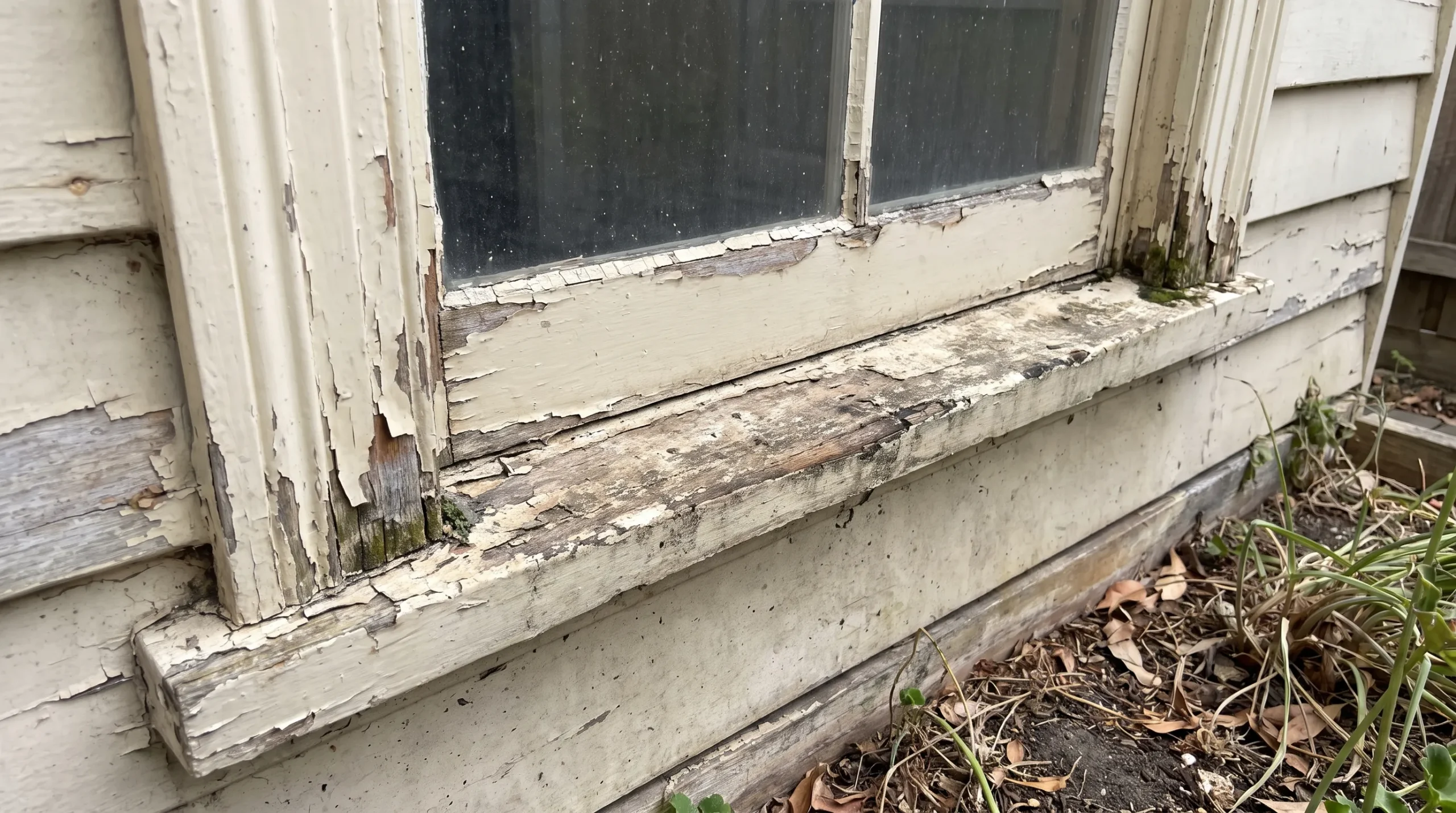
Preparation is often the biggest reason apparently similar jobs cost different amounts. Sound walls needing light cleaning and minor patching require less work than surfaces with peeling paint, extensive cracking or failed previous coatings.
A painter may need to wash surfaces, remove loose paint, sand edges, fill defects and apply suitable primers before the finishing coats begin. These are separate tasks, not interchangeable shortcuts.
House painting prices rise when preparation becomes more involved because the additional work takes place before any visible colour change.
Water stains, recurring mould and damaged plaster also need investigation. Painting over a stain without resolving an active leak will not fix the problem. Ask whether the quote includes cosmetic repairs only and whether another trade needs to address the underlying damage first.
Older homes deserve particular care. Existing coatings may contain lead and some older building materials may contain asbestos. Suspected hazardous materials should be assessed before sanding, scraping or other disturbance, rather than treated as routine preparation.
The practical budgeting step is to separate ordinary preparation from repairs that need further assessment. Ask how concealed damage will be handled and require approval of any additional cost before that work proceeds.
Size, architectural detail and access
Large surface areas use more paint and take longer to prepare and coat, but size alone does not explain the final cost. The shape of those surfaces matters too.
A broad wall with straightforward access is generally simpler to paint than multiple small areas around windows, decorative mouldings and fitted cabinetry. Older Melbourne homes with ornate cornices, timber sash windows or detailed verandahs can involve considerable careful brushwork.
Access can change house painting prices even when the paintable area stays the same, especially where safe work platforms or specialised equipment are needed.
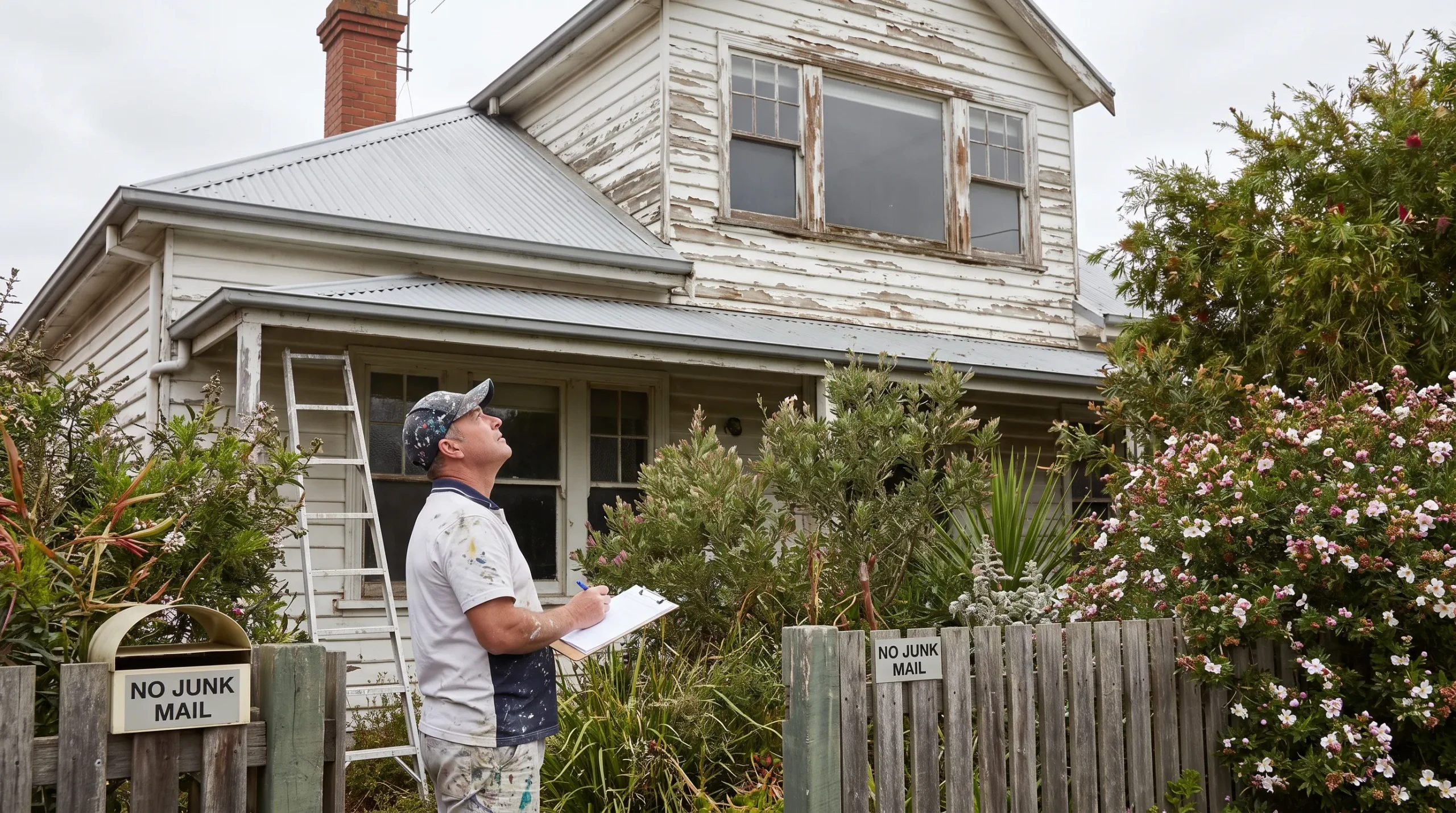
Double-storey exteriors, tall stairwells and awkward rooflines may require scaffolding or other access arrangements. Narrow side passages, sloping ground and landscaping can also make equipment placement more difficult.
Ask whether access equipment is included in the quoted total and which areas the proposed setup will reach. Safe access is part of doing the job properly, not an optional upgrade.
For interiors, explain any access restrictions during the assessment. A painter working around furniture and keeping bedrooms usable each evening may need a different sequence from a team painting an empty property.
Paint selection, sheen and colour changes
The coating system should suit both the surface and the conditions it will face. Interior plaster, exterior timber and metal components do not necessarily use the same primers or finishing products.
Paint selection influences the materials allowance, but the cheapest tin does not automatically produce the lowest overall project cost. Coverage, suitability and application requirements also matter.
House painting prices can change when a colour scheme requires additional preparation or coats to achieve consistent coverage, particularly when moving between strongly contrasting colours.
A dark wall changing to a pale finish may need a different approach from refreshing a similar existing colour. Stained surfaces and bare repaired patches can also need specific primers. The required system should follow the product instructions and the condition of the surface, rather than a blanket promise that every job needs the same number of coats.
Sheen affects the expected appearance as well. Higher-sheen finishes can make surface imperfections more noticeable, so the agreed preparation standard matters.
Confirm the colour, product type and finish before work starts. If you are still deciding between colours, ask when selections need to be finalised and whether sample applications are included or charged separately.
Melbourne weather and project scheduling
Exterior painting needs suitable conditions for surface preparation, application and drying. Rain, damp surfaces, strong heat and temperatures outside the coating manufacturer's limits can interrupt the planned sequence.
Melbourne's changeable weather makes scheduling important, but a particular season does not guarantee a lower price. Availability and the requirements of the individual property still matter. Planning around the best time to paint a Melbourne home can help you discuss a workable schedule with your painter.
House painting prices may also reflect logistical constraints, such as restricted working hours or completing rooms in stages while the household remains at home.
Tell the painter about moving dates, tenants, other renovation trades and any rooms that must remain accessible. Clarify how weather delays will be managed for exterior work. A schedule that allows proper drying and preparation is more useful than an unrealistic promise of rapid completion.
Compare quotes by the work, not just the total
Once you understand the cost drivers, compare quotes against the same brief. Give each painter the same rooms, surfaces, colour intentions and known repair issues. This reduces the chance of receiving prices for fundamentally different jobs.
A useful written quote should identify the scope, preparation, coating system, access arrangements and exclusions. It should also explain the payment terms, whether GST is included where applicable and how variations will be approved.
The guide to what residential painting contractors include in their quotes provides a more detailed checklist for checking these inclusions.
Comparing house painting prices fairly means asking what explains a difference, rather than assuming the cheapest proposal offers the same result.
A higher quote might include extensive preparation or equipment that another proposal leaves out. Equally, a higher total is not proof of better workmanship. Ask the contractor to explain the proposed process and the reason for each significant allowance.
Scope-based comparisons matter in other professional services too. This guide to understanding dental care prices before your visit illustrates a similar principle: meaningful price comparisons depend on the assessed work, its complexity and the stated inclusions.
For painting, bring the discussion back to your property. Confirm what happens if additional damage is uncovered, who approves the extra work and how the final cost will be documented.
How to manage the budget without cutting preparation
The most useful savings usually come from simplifying the scope or making the job easier to organise, not removing essential preparation.
Start by separating necessary work from optional changes. Failing exterior coatings may deserve attention before an otherwise sound room receives a new colour. Ask the painter to identify priorities so you can stage the project sensibly.
You can also discuss practical ways to reduce avoidable handling:
- Clear access where practical: Agree which furniture, wall hangings and outdoor items you will move before the team arrives.
- Finalise colours early: Late changes can create additional purchasing or application work.
- Choose a manageable scope: If the budget is limited, complete selected areas properly rather than spreading the allowance across more surfaces than it can support.
- Coordinate other trades: Finish work likely to damage painted surfaces before the final painting stage.
Ask before doing your own preparation. Incorrect sanding, unsuitable fillers or cleaning residues can create extra corrective work, while hazardous surfaces require appropriate assessment.
Do not assume that supplying your own paint will reduce the total. Confirm product suitability, quantities and responsibility for any material-related problems first.
Frequently asked questions
Can I get an accurate estimate from the number of bedrooms? Bedroom count can support an initial discussion, but it does not establish surface area, ceiling height, condition or inclusions. A property assessment and clearly defined scope give a more dependable basis for a quote.
Is exterior painting always more expensive than interior painting? No. Exterior work can involve costly access and preparation, but a detailed interior repaint with extensive repairs may also be labour-intensive. Compare the actual work rather than assuming one category always costs more.
Should I choose a fixed quote or an hourly rate? A fixed quote gives clearer budget certainty when the scope is well defined. An hourly arrangement needs clarity about the rate, materials, likely hours and approval limits. Either approach should explain how unexpected work is handled.
Does a workmanship warranty mean the paint will last exactly five years? No. A workmanship warranty is not the same as a guaranteed repainting interval. Ask what the warranty covers and read its terms; coating performance also depends on surface condition, exposure and maintenance.
Get a quote based on your Melbourne home
For a useful comparison of house painting prices, start with a defined scope and an assessment of your property's condition.
Auspainters provides free quotations for residential interior and exterior painting across Melbourne. The team is Dulux accredited, fully insured and OHS compliant, with premium finishes, a final walkthrough and a 5-year workmanship warranty. Request a quote and discuss the preparation, surfaces and access your project needs before deciding on the budget.