
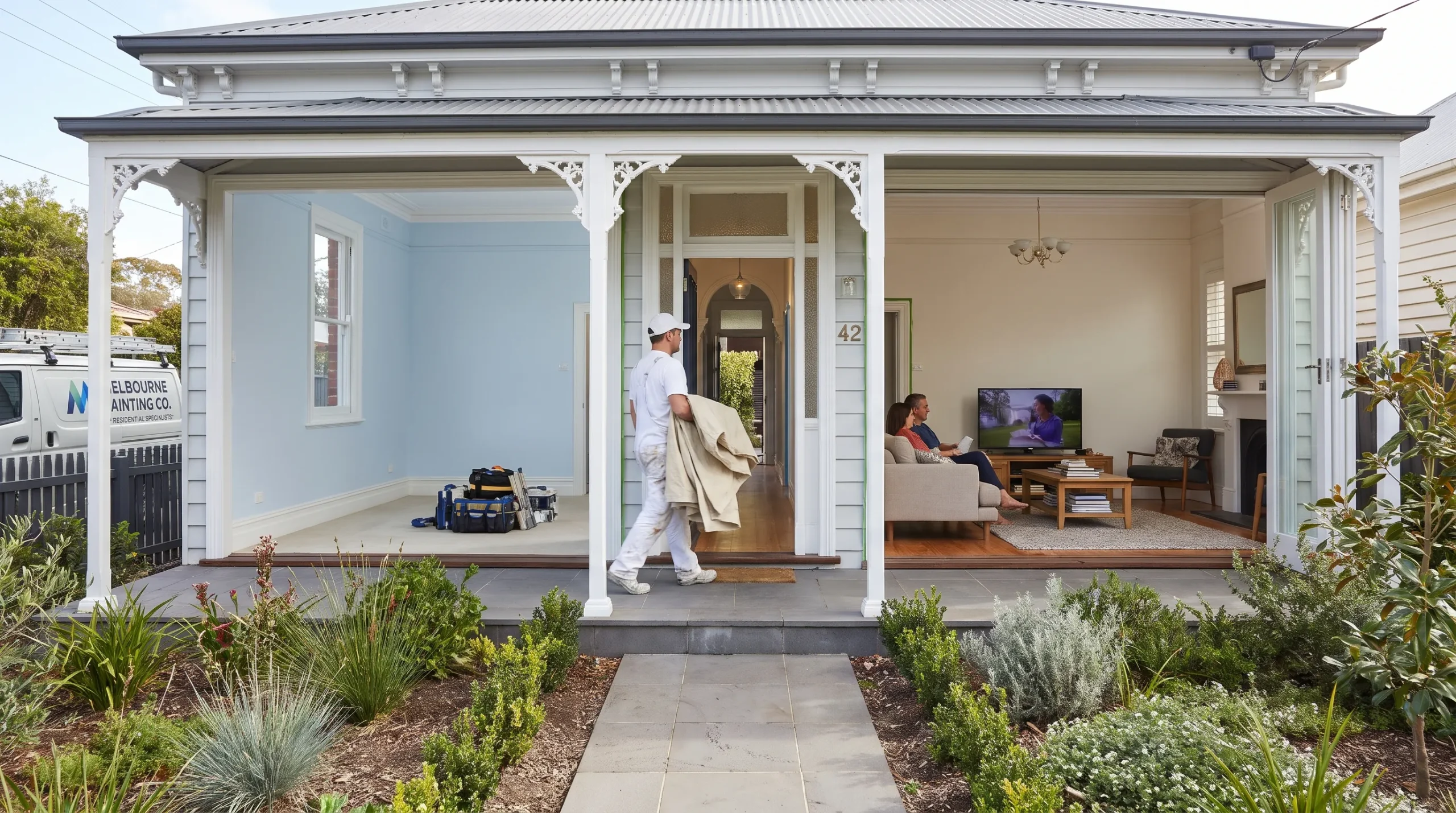

Booking professional house painting services in stages can help you manage spending and keep parts of your home usable while work progresses. Instead of repainting everything at once, you might complete the bedrooms first, tackle shared living areas next and arrange exterior work separately.
The trade-off is that separate visits can involve repeated setup, additional scheduling and more opportunities for colours or finishes to become inconsistent. A staged repaint works best when it is planned as one project, with clear boundaries, written scopes and a handover after each phase.
Decide whether staging suits your household
Staging is worth considering when you need a functioning home office, cannot empty the whole house or want to spread the work across separate budget periods. It can also suit renovations where some rooms are ready for painting before others.
However, smaller bookings do not automatically mean a lower overall price. Painters may need to return equipment, protect access routes again and prepare adjoining surfaces on another visit. An empty house with unrestricted access may be more economical to complete in one continuous booking.
Before choosing, ask for two comparable options: the full agreed scope completed together and the same scope divided into stages. Check that both include equivalent preparation and materials. Otherwise, a cheaper-looking option might simply leave work out.
Plan professional house painting services around complete zones
A useful stage has a clear stopping point. That might be a complete bedroom, a group of adjoining rooms or an exterior elevation that can be finished without leaving vulnerable preparation work exposed.
For interiors, completing the agreed ceilings, walls and trim within a zone usually creates a more practical handover than painting every ceiling now and returning months later for the walls. The painter should still determine the application sequence within that zone.
Agree on boundaries at corners, doorways or other natural breaks. Avoid ending a stage halfway along a continuous wall, where a later paint application may leave a visible difference.
An example for an occupied Melbourne home
This sequence is a planning example, not a fixed recommendation for every property.
| Stage | Possible scope | What to settle before starting |
|---|---|---|
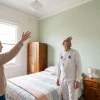
| Bedrooms | Complete one bedroom or a small bedroom group | Alternative sleeping arrangements and furniture storage |
| Living areas | Lounge, dining room and connected walls | Access to the kitchen and a usable relaxation space |
| Hallways and remaining trim | Connecting areas and previously agreed shared surfaces | Safe movement through the home and doorway boundaries |
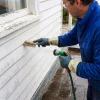
| Exterior | Agreed elevations, eaves or external joinery | Surface condition, access equipment and suitable weather |
The best sequence for professional house painting services follows the way you actually use the property. If the hallway is the only route between bedrooms and the bathroom, its treatment needs more planning than a spare room that can stay closed.
Get an overall quote and a written scope for each stage
Start with an inspection of the whole proposed project, even if you only intend to book the first stage immediately. This helps identify shared access requirements, underlying damage and surfaces that should be treated together.
Each stage should have enough detail to stand on its own. A useful written scope identifies:
- Included surfaces: The rooms, ceilings, walls, doors, frames and other items being painted, plus explicit exclusions.
- Preparation and repairs: Cleaning, scraping, sanding, filling and priming, with limits on repairs and responsibility for underlying defects.
- Paint specification: Product range, colour, sheen and the agreed coating system, including any primers or undercoats.
- Protection and access: Furniture movement, floor coverings, equipment access and any areas the household must keep clear.
- Completion arrangements: Cleanup, rubbish removal, inspection and how outstanding items will be recorded.
- Commercial terms: Stage price, GST treatment, payment milestones, quote validity and the process for approving variations.
When comparing professional house painting services, preparation deserves particular attention. Filling a small dent is not the same job as repairing widespread plaster damage, and painting over an unresolved leak will not fix its cause. Auspainters’ guide to how professional painters prepare walls explains the work that should happen before the finish coats.
Compare the full cost, not just the first invoice
Ask whether the staged price includes repeated mobilisation, protection and equipment hire. Also establish whether later stages are fixed bookings at agreed prices or future work that will need a new quotation.
A quote accepted now should not be assumed to reserve the same price indefinitely. Record any expiry dates and the circumstances in which materials, access requirements or newly discovered damage could change the price.
Before accepting, confirm the business details, request current insurance evidence and check any registration or licensing requirements applicable to the work in Victoria. Recent references for occupied-home projects can also help you assess how the painter manages disruption.
Keep daily life workable between visits
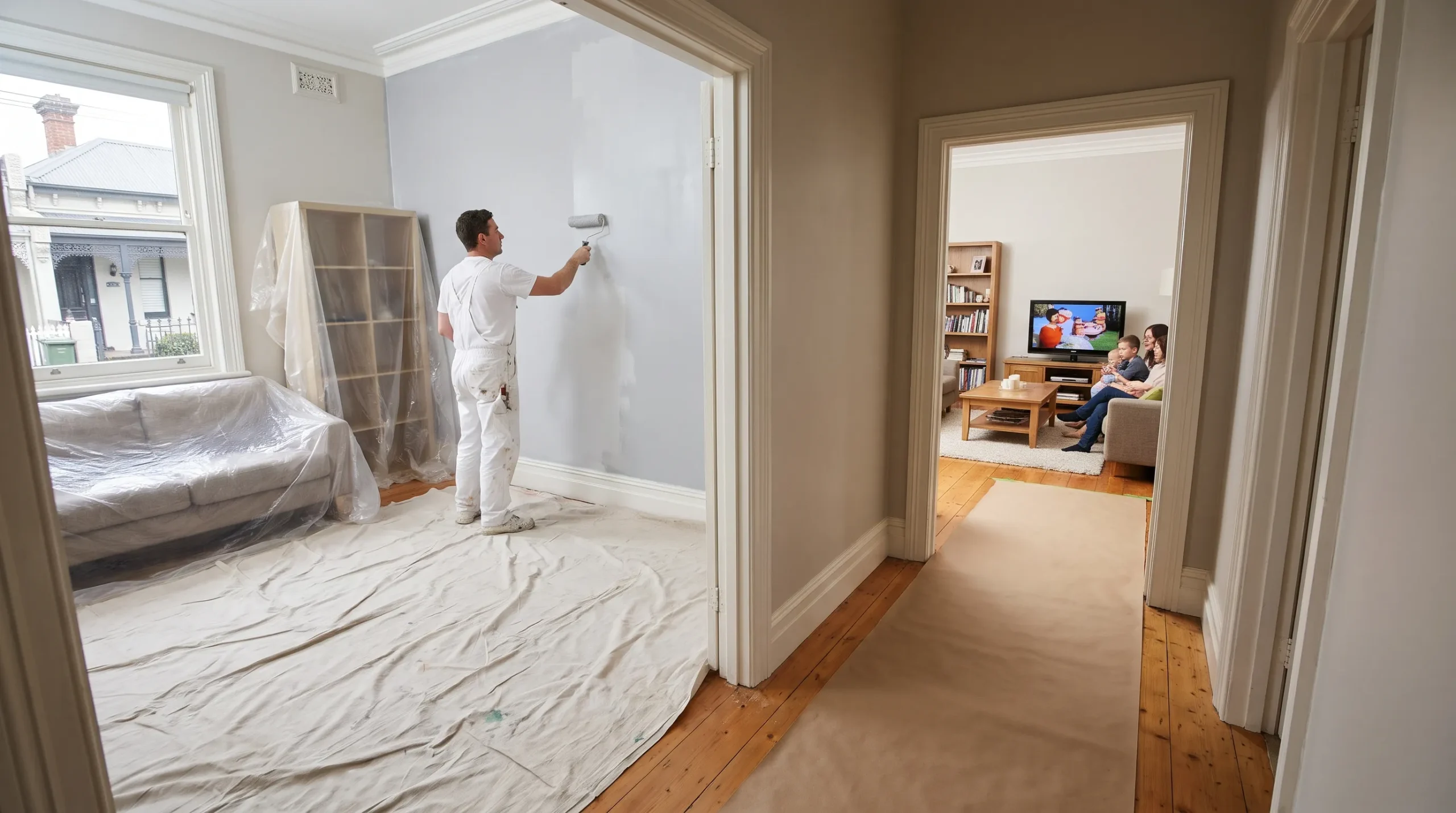
For an occupied home, professional house painting services need to fit around more than room availability. Agree where tools can be stored, which entrances remain available and how children or pets will be kept away from work areas.
Choose a usable room outside the current work zone, but do not assume a closed door eliminates dust or odours. Discuss ventilation, product instructions and whether anyone should make alternative arrangements. Low-odour paint does not remove the need to follow the manufacturer’s precautions.
Where a household member is receiving mental health care, discuss significant disruption with their treating clinician, particularly if established routines are important. Practices such as Dr. Iospa Psychiatry Consulting in New York provide coordinated psychiatric and psychological care; Melbourne residents should seek individual advice through their own local GP or care team.
Before each visit, confirm who moves furniture, removes wall decorations and disconnects equipment. Keep essential medication, work materials and pet supplies accessible rather than packed inside the next room being painted.
The stage handover should also explain when furniture can return, when doors and windows can be closed and which surfaces still need gentle treatment. A finish that feels dry may not yet be ready for cleaning or everyday wear.
Schedule around repairs, drying and Melbourne weather
Book related trades in an order that avoids undoing finished work. Leaks, damaged plaster and joinery repairs generally need attention before the affected surfaces are painted. Dust-producing work should also be coordinated so it does not contaminate fresh finishes.
If older coatings or building materials may contain lead or asbestos, arrange appropriate assessment before disturbing them. Staging is not a reason to scrape or sand a suspect surface yourself between professional visits.
Exterior stages need their own weather allowance. Rain, humidity, temperature and surface moisture can affect preparation, application and drying. Ask how the painter will communicate postponements and whether an indoor stage could be brought forward, rather than assuming that rearrangement is always possible.
A staged booking for professional house painting services should distinguish an expected work window from a guaranteed completion date. Auspainters’ advice on when to book interior and exterior painting provides more context for coordinating seasonal conditions and other trades.
Confirm the next stage in writing before treating it as booked. Leaving several months between phases may suit your budget, but it can also mean working around the painter’s later availability.
Preserve colour consistency across separate bookings
Choose the overall colour scheme before the first stage wherever possible, even if some rooms will be completed later. Otherwise, a new wall colour may change how previously finished trim or adjoining rooms appear.
Keep a finish schedule recording the brand, product range, colour name or code and sheen for each surface. Where available, retain tint details and clearly labelled leftover paint, stored according to the manufacturer’s directions.
Even with the same recorded colour, later work can look different because of batch variation, surface texture, lighting or the ageing of an existing finish. Ask the painter how those risks will be managed across visible connecting areas.
For professional house painting services spread over several months, completing a whole continuous surface in one stage is usually a better starting point than relying on a small touch-up to blend perfectly later. Any protection attached near fresh paint also needs careful handling to avoid lifting the finish.
Inspect each stage before moving on
Do not leave every concern until the entire house is complete. A short walkthrough at the end of each stage makes it easier to identify unfinished items while the scope and site conditions are still clear.
Check the agreed surfaces together, with suitable lighting and safe access. Focus on the written scope rather than adding new work informally during the inspection.
Before closing a stage, confirm:
- Scope completion: The included surfaces are finished and any exclusions remain understood.
- Outstanding items: Agreed corrections are recorded, with responsibility and timing confirmed.
- Site condition: Protective materials and waste have been dealt with as agreed.
- Care instructions: You understand drying, curing, cleaning and furniture replacement precautions.
- Project records: Colours, products, variations and relevant photos are retained for the next booking.
Ask how the workmanship warranty applies when stages finish on different dates, including when coverage begins and what documentation you receive. Do not assume that a workmanship warranty and a paint manufacturer’s product warranty cover the same things.
Frequently asked questions
Will professional house painting services cost more when booked in stages? They can. Separate visits may repeat setup, travel, protection and equipment costs. Ask for a whole-project price and a staged alternative with the same scope so you can weigh the additional cost against the household benefits.
Can I stay at home during each stage? It depends on the work, ventilation, safe access and household needs. Agree which rooms remain usable and whether sleeping or working arrangements need to change. Follow the painter’s guidance and the coating manufacturer’s instructions rather than relying only on whether the paint smells dry.
How much time should I leave between stages? There is no universal interval. The answer depends on product drying and curing requirements, related repairs, weather and the painter’s availability. Agree the earliest practical next step and confirm whether the later booking is reserved or still provisional.
Can different painters complete different stages? Yes, but provide the same finish schedule and clearly record who completed each area. Responsibility for preparation, defects and warranty work needs to be unambiguous. A new painter may need to inspect earlier work before agreeing to coat over or connect with it.
Request a staged painting quote from Auspainters
Auspainters provides professional house painting services across Melbourne, including interior and exterior painting, with free quotations and a 5-year workmanship warranty. The business is Dulux accredited, fully insured and OHS compliant.
When requesting your free painting quote from Auspainters, explain which areas you want completed first, how you use the home and how far apart you expect the stages to be. Ask for clear stage boundaries, pricing assumptions and an explanation of how walkthroughs and warranty documentation will be handled across the project.