

Choosing exterior painters is not just about finding someone who can apply a neat coat of paint. The real value is in the inspection, preparation, coating system and follow-up that help the finish survive Melbourne sun, rain, wind and seasonal movement. A low quote can look appealing at first, but if it skips washing, sanding, sealing or repairs, the paint may fail long before it should.
A durable exterior finish starts with asking better questions. Instead of comparing painters only by price, compare how they assess the surface, specify products, manage safety and stand behind their work.
How exterior painters protect a finish before painting starts
The best paint job begins before a tin is opened. On Australian homes and commercial facades, exterior surfaces can hide chalking paint, timber rot, hairline render cracks, rust staining, mould, failed sealant and moisture damage. If those problems are coated over, the new finish may blister, peel or fade unevenly.
Good exterior painters will explain what they have found, not just tell you the house needs two coats. They should identify which surfaces are sound, which need repair and which areas may need a different primer or preparation method. This early diagnosis is where long-term performance is won or lost.
Start with a substrate-first inspection
A substrate is the surface being painted, such as timber, render, brick, fibre cement, metal or previously painted masonry. Each one behaves differently, especially outside. Timber expands and contracts, render can crack, metal can corrode and masonry can hold moisture.
For timber weatherboards, a painter should check for loose boards, open joints, greyed timber, flaking paint and exposed end grain. For rendered walls, the inspection should include cracks, drummy patches, staining and moisture entry points. On metal railings, gutters or trims, rust and poor adhesion need to be treated before topcoats are applied.
A surface that looks acceptable from the street may need closer inspection from ladders or access equipment. If a painter quotes without checking the hard-to-see areas, ask how they have allowed for preparation. A clear pre-quote inspection reduces surprises once the job begins.
Preparation tells you more than promises
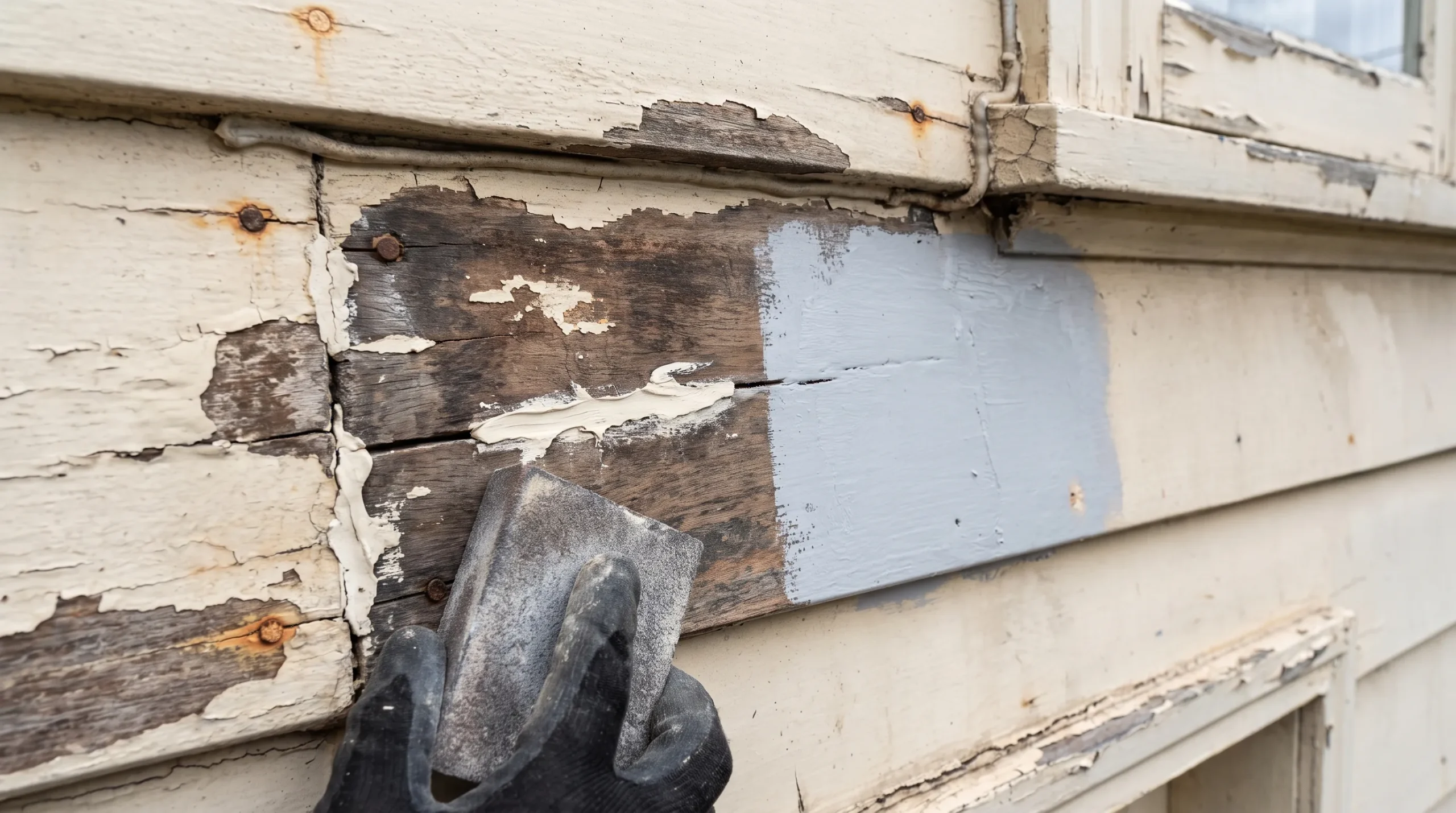
Preparation is the part of exterior painting that homeowners rarely see in the final photos, but it decides whether the finish lasts. Washing removes contaminants, sanding smooths failed coatings, gap sealing stops water entry and spot priming helps paint bond to repaired or bare areas.
Reliable exterior painters should be comfortable explaining their preparation sequence in plain language. For example, they may pressure wash where suitable, scrape loose paint, sand edges, treat mould, seal gaps, prime bare timber and only then apply the finish coats. If the quote jumps straight to painting, ask what has been left out.
Check qualifications, insurance and site standards
Exterior painting can involve ladders, scaffolds, roofline work, public access areas and weather exposure. For a homeowner, insurance and safety practices are not paperwork details. They protect your property, the workers and anyone passing through the site.
Look for painters who are fully insured, can describe their working-at-heights controls and understand occupational health and safety requirements. Accreditation can also be useful because it suggests the business works with recognised coating systems and professional expectations. For example, Auspainters is Dulux accredited, fully insured and OHS compliant, which are useful signals when comparing painting teams in Melbourne.
| What to check | What good evidence looks like | Why it matters |
|---|---|---|
| Insurance | Current public liability and relevant cover | Protects your property and reduces risk |
| Accreditation | Recognised supplier or trade accreditation | Shows a connection to professional product standards |
| Safety process | Clear approach to ladders, access and site protection | Helps prevent accidents and delays |
| Written quote | Scope, preparation, products and exclusions in writing | Makes comparison easier and avoids confusion |
| Warranty | Workmanship warranty with clear terms | Shows accountability after completion |
If you are deciding whether to hire a trade or tackle the job yourself, Auspainters has a useful breakdown of why hiring a professional painter can outperform DIY, especially when access, prep and safety are involved.
Compare quotes by scope, not just price
Two exterior painting quotes can describe very different jobs. One may include washing, sanding, spot priming, caulking, repairs, premium coatings and a final walkthrough. Another may include little more than paint application. If you only compare totals, you may choose the cheaper job without realising it excludes the work that makes the finish last.
When comparing exterior painters, ask each one to specify the number of coats, paint brand or range, primers, preparation tasks, access method, expected timeline and what happens if hidden damage is found. A professional quote should make the process feel clearer, not more vague.
| Quote detail | Strong quote | Weak quote |
|---|---|---|
| Surface preparation | Lists washing, scraping, sanding, filling and priming as needed | Says preparation included without detail |
| Coating system | Names primer and topcoat approach for each surface | Only states two coats of paint |
| Repairs | Separates minor filling from larger carpentry or render repairs | Leaves repairs unclear |
| Access | Explains ladders, scaffolding or elevated work platform if required | Assumes access without detail |
| Cleanup and handover | Includes site cleanup and final walkthrough | Ends when the last coat is applied |
A low price is not always a problem. It may be reasonable for a small, simple facade in good condition. The risk is a quote that is low because it has missed washing, repairs, proper primers or safe access.
Match the coating system to Melbourne conditions
Melbourne weather can be tough on exterior finishes. Strong UV exposure, cool wet periods, coastal air in some suburbs and sudden temperature changes all affect coating performance. Paint selection should respond to the surface, level of exposure and desired finish.
The most reliable exterior painters do not use the same coating system everywhere. Bare timber may need an exterior wood primer before acrylic topcoats. Rusted metal needs corrosion treatment and a suitable metal primer. Masonry and render may need flexible coatings that cope better with small movements and hairline cracks.
Timing also matters. Paint needs the right conditions to cure properly. Extremely hot surfaces, rain, heavy dew and high humidity can all affect adhesion and drying. If you are planning a project, it is worth reading Auspainters' guide to the best time to paint a Melbourne home so your expectations around scheduling are realistic.
Ask how colour choice affects longevity
Colour is a design decision, but it can also influence maintenance. Dark colours often absorb more heat, which can increase movement on some exterior surfaces. Very bright or deep colours may show fading sooner in high UV locations, depending on the pigment and coating type.
Experienced exterior painters should help you balance appearance with practicality. That does not mean avoiding bold colours altogether. It means choosing paint systems and colour placements that suit the surface and exposure. For example, a dark feature trim may perform differently from a whole west-facing wall in the same colour.
If you are still deciding on a palette, this guide to the best paint colours for homes can help you think through curb appeal, architectural style and how colours work together.
Look for communication that reduces disruption
Exterior painting affects daily routines. There may be washing, sanding noise, access equipment, open windows that need coordination, driveway restrictions and weather delays. Clear communication makes the experience less stressful.
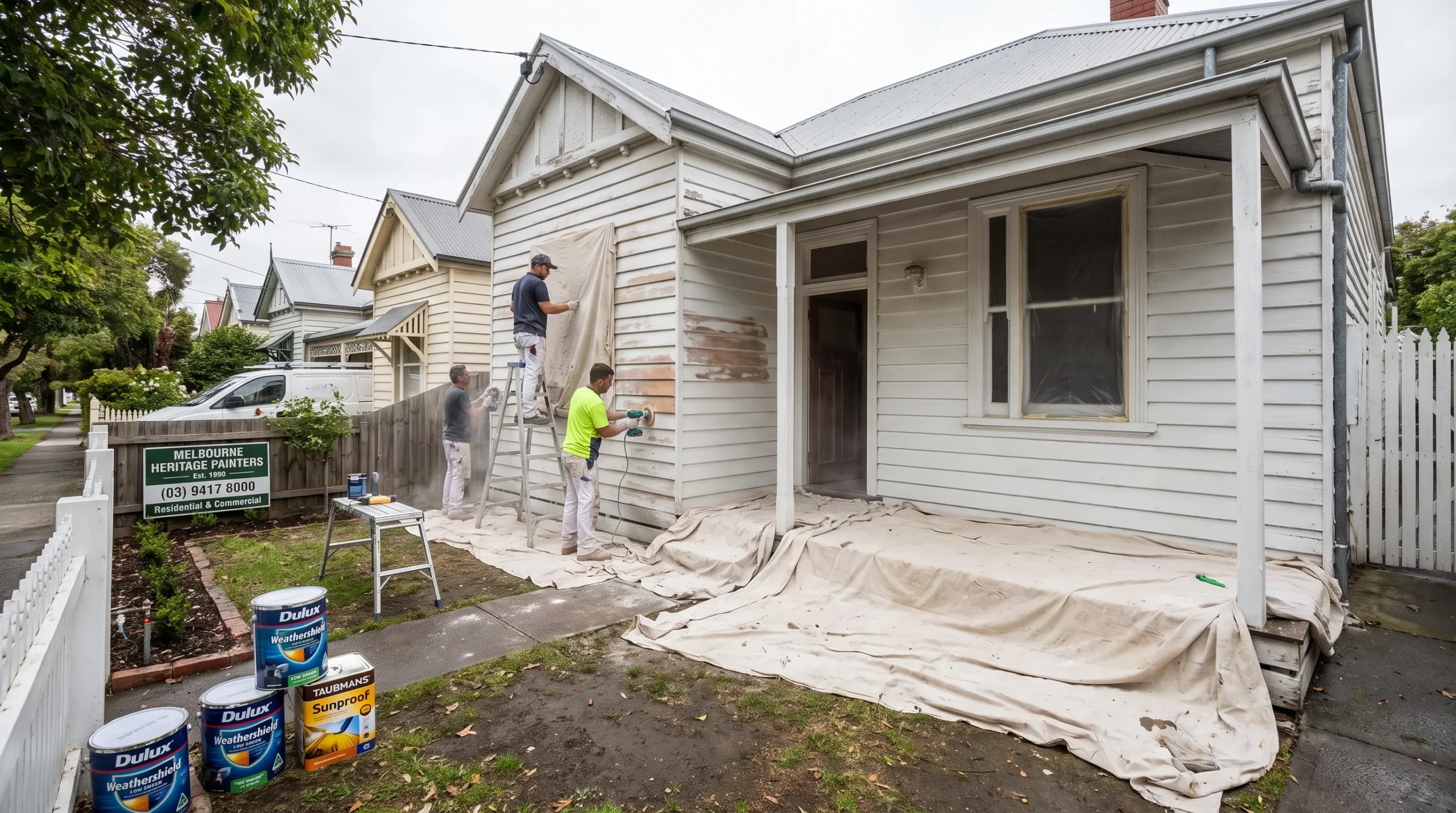
A professional team should tell you what will happen before work starts, how long key stages are expected to take and which areas need access. They should also protect gardens, paths, decks, windows, outdoor furniture and neighbouring property where relevant.
For commercial properties, communication is even more important. Shopfronts, offices, schools, medical suites and apartment complexes may need staged works, signage, public safety controls and after-hours planning. A painter who understands commercial environments should be able to discuss how they minimise disruption while maintaining a clean site.
Understand what the warranty really covers
A workmanship warranty is valuable, but only if you understand what it includes. Workmanship usually relates to application quality, preparation and painter-controlled defects. It may not cover building movement, moisture ingress, structural defects, unapproved third-party work or damage caused after completion.
Choose exterior painters who put warranty terms in writing and complete a proper handover. A final walkthrough gives you a chance to inspect the finish, ask about touch-ups and understand maintenance advice. Auspainters offers a 5-year workmanship warranty and final walkthrough, which are useful safeguards for clients who want accountability after the project is complete.
Maintenance still matters. Washing down exterior surfaces, clearing vegetation away from walls, fixing leaking gutters and addressing cracks early can extend the life of a finish. Paint is a protective system, but it works best when the building is kept in good condition.
Red flags that suggest a finish may not last
Some warning signs appear before work begins. A painter who avoids detailed questions, cannot explain preparation or refuses to provide a written quote may not be the right fit. The same applies if they dismiss primers as unnecessary on every surface or promise to paint in unsuitable weather.
Be cautious if the quote is much cheaper than others but does not explain why. Labour-intensive preparation is often the first thing cut to reduce price. A smooth sales conversation cannot replace a clear scope, product specification and evidence of insurance.
The best exterior painters welcome informed questions because those questions show you care about the result. If a contractor becomes impatient when you ask about surface repairs, coating choices or warranty terms, that tells you something about how the project may feel once it is underway.
Questions to ask before you choose
A short conversation can reveal a lot about a painting business. Use these questions to compare painters more confidently:
- What surface problems did you notice during the inspection?
- What preparation is included before painting starts?
- Which primer and topcoat system do you recommend for each surface?
- How will you manage access, ladders and safety?
- Are you fully insured and able to provide details if requested?
- What is excluded from the quote?
- How do you handle weather delays?
- What does your workmanship warranty cover?
- Will there be a final walkthrough before completion?
You do not need technical expertise to judge every answer. You are looking for clarity, consistency and a process that matches the condition of your property.
Frequently Asked Questions
How many coats should an exterior paint job include? Most exterior projects need at least two finish coats after the right preparation and priming, but the exact system depends on the existing surface, colour change, exposure and coating manufacturer guidance. Bare or repaired areas may need separate primers before finish coats.
How long should exterior paint last in Melbourne? Lifespan depends on surface condition, preparation, paint quality, weather exposure and maintenance. North and west-facing surfaces often weather faster due to sun exposure. A well-prepared job with quality coatings should last longer than a rushed repaint over failing paint.
Is pressure washing always needed before exterior painting? Washing is often needed to remove dirt, chalking, mould and contaminants, but the method should suit the surface. High pressure used incorrectly can damage timber, force water into gaps or harm older coatings. The painter should choose an appropriate cleaning method.
Should I choose the cheapest exterior painting quote? Not unless the scope is genuinely comparable. A cheaper quote may be fine for a simple job, but if it excludes preparation, primers, access or repairs, it can cost more later through early paint failure or rework.
What should I expect during the final walkthrough? The walkthrough should cover finish quality, touch-ups, cleanup, areas painted, care advice and any warranty information. It is the best time to raise small issues before the project is signed off.
Ready to choose a painter with confidence?
If you want a durable exterior finish, choose a team that treats preparation, safety and follow-through as part of the job, not extras. Auspainters provides residential and commercial painting across Melbourne, with free quotations, premium finishes, Dulux accreditation, full insurance, OHS compliance, a final walkthrough and a 5-year workmanship warranty.
For a clear assessment of your property and a quote based on the work your exterior actually needs, contact Auspainters and discuss your project with a Melbourne painting team.