

Reliable painting services should make the job easier to live with, not leave you guessing about what happens next. Whether you are refreshing a Melbourne home or repainting business premises, you should expect clear arrangements, careful preparation and a proper handover, not just a different wall colour.
The most useful way to judge the service is to follow the job from booking to completion. Here is what should happen at each stage, what you may need to organise and how a dependable painter should handle unexpected problems.
Before work starts, expect a practical plan
An initial conversation should cover more than colours and availability. The painter needs to understand which areas you use, how people access the property and whether other trades will be working nearby.
For a home, that might mean keeping a bedroom available overnight. For a shop or office, it could involve separating customers from the work area or agreeing when an entrance can be temporarily closed. Any after-hours work needs to be agreed, rather than assumed.
Before accepting a quote, make sure you understand the scope, exclusions, payment stages and anticipated timing. If competing proposals are difficult to reconcile, our guide to comparing Melbourne painting quotes on the same basis explains what to check.
When booking painting services, also settle the everyday arrangements: who provides access, where materials will be stored and who receives updates. Agree who moves furniture and removes window furnishings before the team arrives. These details prevent a surprising amount of disruption.
Preparation should address the surface, not disguise problems
Inspection and repairs come first
Expect the painter to assess the existing coating and the surface underneath it. Flaking paint, loose filler, grease, mould and damp patches each need a suitable response before new paint goes on.
Preparation may include cleaning, scraping unstable coatings, sanding, filling minor defects and priming exposed or repaired areas. The exact work depends on the substrate and the agreed specification. Not every surface needs the same treatment.
A fresh coating does not fix the cause of water damage. If a leak or persistent dampness is present, the underlying problem needs attention before the affected area is repainted.
Reliable painting services should explain when a defect falls outside the original scope. A painter can identify a concern without being the right trade to diagnose or repair every underlying cause.
Specialist repairs need a clear boundary
Deteriorated movement joints or failed window seals may require specialist sealing rather than cosmetic filling. Joint-sealing firms such as Denmark’s Kvalifuge represent this separate trade. For a Melbourne project, ask whether equivalent specialist repairs are needed, whether they are included and who will arrange them.
If a hidden problem becomes visible during preparation, expect an explanation and an agreed variation before additional work proceeds. You should know how the change affects both cost and timing.
Your property should remain protected and organised
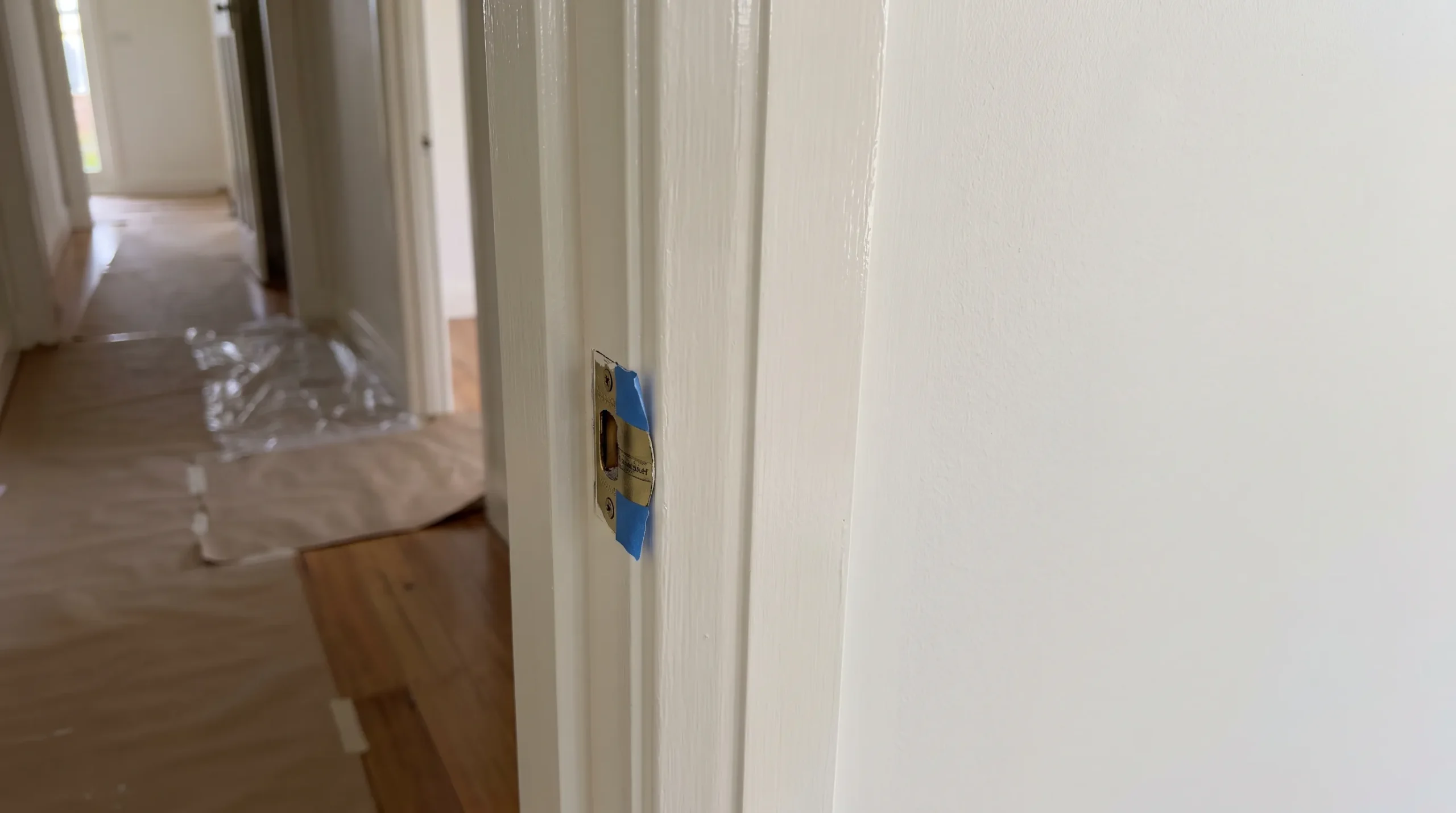
Protection should be in place before dusty preparation or painting begins. Depending on the task, that may include floor coverings, furniture protection and masking around fittings or adjacent surfaces.
Protection also needs to remain effective as the job progresses. A drop sheet that has shifted away from a carpet edge is not doing its job. Walkways should stay usable where practicable, with tools, leads and materials managed to reduce trip hazards.
For occupied premises, painting services should include a conversation about ventilation, access restrictions and safe separation from wet coatings. Tell the painter about children, pets or anyone with respiratory sensitivities so suitable arrangements can be discussed before work starts.
Older buildings can introduce additional hazards. Before sanding old coatings or disturbing suspect sheeting, ask how potential lead paint or asbestos risks will be assessed. WorkSafe Victoria’s asbestos guidance is a useful reference for understanding why suspect materials require specific precautions.
At the end of each working day, you should understand which rooms or routes are available and which surfaces must remain untouched. A tidy site can still be an active work area, so do not assume it is ready for unrestricted use.
Paint choices should come with clear explanations
Colour is only one part of the specification. The painter should also explain the proposed product, sheen and suitability for each surface.
A high-traffic hallway may need a different finish from a ceiling. Exterior timber, masonry and metal also have different preparation and coating requirements. The recommendation should follow the surface and its exposure, not simply use one product everywhere.
Good painting services make these choices understandable without expecting you to become a coatings specialist. You should know what will be applied, where it will be used and why it suits the job.
For interiors, viewing a sample in the actual room can help you assess colour under daylight and artificial lighting. Auspainters’ interior house painting service is relevant if you are planning a room-by-room refresh or a broader home repaint.
The agreed coating system should guide primers, coverage and recoat intervals. Do not judge quality by a promised coat count alone: surface condition, colour changes and product requirements all matter.
Expect a realistic schedule and updates when it changes
A useful schedule explains the sequence of work, not just a finish date. You should know which areas are being prepared, when painting is planned and when you can reasonably use each space again.
For exterior work in Melbourne, weather can affect both application and drying. Rain is not the only consideration: temperature, humidity, wind and surface moisture can also influence whether work should proceed. Product instructions should guide those decisions.
Interior work can also take longer when repairs need additional drying time or previously hidden defects require attention. A dependable contractor explains the reason for a delay and revises the plan rather than rushing the next stage to preserve an unrealistic deadline.
Be clear about the difference between touch-dry, ready to recoat and fully cured. These are not interchangeable. A wall that feels dry may not yet be ready for washing, furniture contact or adhesive hooks. Ask for product-specific advice before returning the area to normal use.
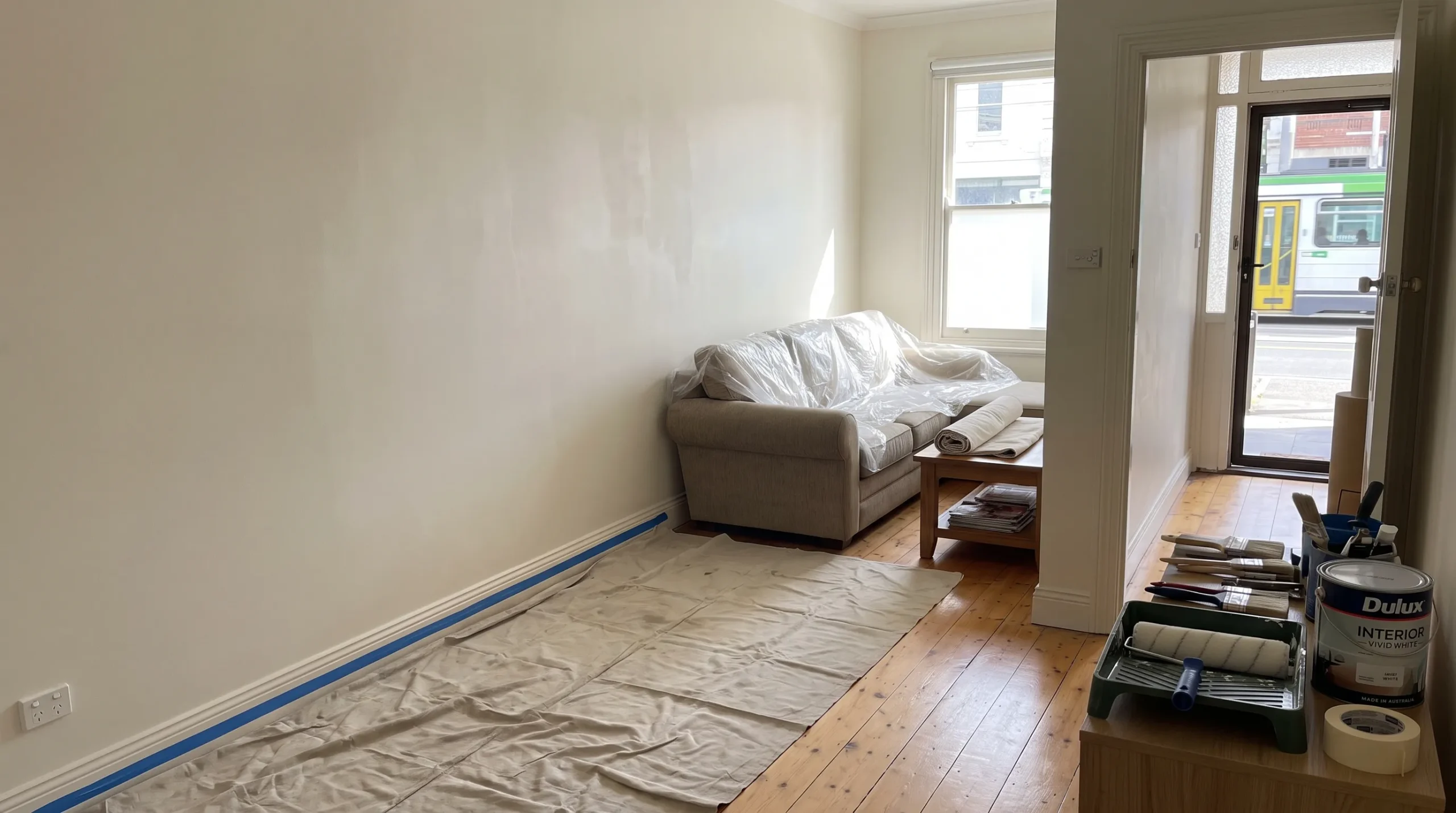
The final walkthrough should be a working inspection
Completion should involve a shared inspection, not simply a message that the team has left. Walk through the agreed areas with the painter while there is still an opportunity to identify and record concerns.
Look at coverage and consistency under normal room lighting. Check edges around trims, switches and adjoining surfaces, along with any repairs included in the scope. Exterior checks may need to be made from a safe viewing position rather than by accessing ladders yourself.
Reliable painting services should provide a straightforward way to record any agreed touch-ups and confirm when they will be completed. The original scope remains the reference point: an unrelated defect is different from unfinished contracted work.
| Handover item | What to clarify |
|---|---|
| Finished areas | Whether every agreed surface is complete |
| Outstanding work | Which touch-ups remain and the return arrangements |
| Cleaning and removal | Whether masking, coverings and project waste have been removed as agreed |
| Paint information | Product names, colours and sheen levels for future reference |
| Care advice | When surfaces can be cleaned or returned to normal use |
| Warranty | Written terms, exclusions and the contact process |
Discuss finish concerns before signing off, and follow the payment arrangements in your contract. Keeping a short written record helps both parties understand what remains to be done.
Aftercare should distinguish workmanship from other causes
A workmanship warranty is useful, but it is not a promise that every future mark, crack or moisture problem will be covered. Ask what the warranty includes, how to report a concern and whether any maintenance conditions apply.
Keep the quote, accepted variations and product details together. If a problem appears later, note when you first noticed it and take photographs showing both the affected area and its surroundings. That gives the contractor a clearer starting point for assessment.
Cleaning advice should also match the coating. Avoid assuming that a newly painted wall can immediately tolerate vigorous scrubbing. Follow the recommended curing period and cleaning method, and deal with leaks or persistent condensation promptly rather than waiting for visible coating damage.
Frequently asked questions about painting services
What do painters charge per square metre? There is no single rate that reliably prices every project. Surface condition, access, preparation, coating requirements and the amount of detailed trim work affect the cost. A square-metre figure is only useful when you understand exactly what it includes. Request an itemised written quote for your property rather than relying on a broad advertised rate.
Can I stay at home while painting is underway? Sometimes, depending on the rooms involved, ventilation, products and household needs. Agree on usable bedrooms, bathrooms and access routes beforehand. Anyone with particular health concerns should seek appropriate advice rather than assuming every painting arrangement will be suitable.
How often should a house be repainted? Repainting intervals vary with exposure, substrate, preparation, coating quality and maintenance. Watch for peeling, chalking, cracking or exposed material rather than relying only on the age of the paint. Investigate moisture-related damage before scheduling a repaint.
What common painting mistakes should I watch for? Painting over unstable coatings, skipping necessary cleaning or priming, using an unsuitable product and ignoring drying conditions can undermine the result. Poor protection and unapproved changes to the scope are service problems worth addressing promptly as well.
Plan your Melbourne painting project with Auspainters
Auspainters provides residential and commercial painting across Melbourne, including interior and exterior work. The team is Dulux accredited, fully insured and OHS compliant, with a final walkthrough and a five-year workmanship warranty. Ask for the written warranty terms when discussing your project.
To establish the scope, preparation needs and practical arrangements for your property, request a free quotation from Auspainters. Bring along your preferred timing and any access constraints so they can be considered from the outset.