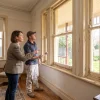



A repaint can make a property look better immediately, but lasting value depends on what happens beneath the finish. Well-planned professional painting services can improve presentation, protect exposed surfaces and reduce avoidable maintenance. For Melbourne homeowners, landlords and commercial property owners, the strongest investment is not necessarily a complete colour change. It is the right work, on the right surfaces, completed to a clearly defined standard.
This guide explains how to prioritise that work, assess its longer-term benefits and commission a finish that remains useful beyond the first inspection.
Where a quality repaint adds real value
Painting contributes to property value in several ways, but it does not guarantee a particular increase in sale price. Location, market conditions, layout and the property's overall condition still matter. A freshly painted home with unresolved roof leaks is not equivalent to a well-maintained home.
Presentation that supports buyer and tenant confidence
Scuffed walls, peeling trim and patchy repairs can make a property feel neglected. Consistent finishes help prospective buyers or tenants assess the space without being distracted by obvious maintenance work.
That is where professional painting services can support a stronger presentation: clean edges, properly prepared repairs and a coordinated finish make rooms feel cared for rather than hurriedly refreshed.
For sale or leasing, aim for consistency instead of imposing a highly personal style. Colour choices should work with existing flooring, cabinetry and natural light. Test samples in the actual rooms before approving them, especially where neighbouring surfaces have warm or cool undertones.
Protection that preserves the underlying asset
Exterior paint also forms part of a surface's protective system. Suitable coatings help limit weathering of timber and other exposed materials, provided the substrate is sound and moisture problems have been addressed.
The financial benefit may be avoiding premature deterioration rather than achieving an immediate valuation uplift. Both outcomes matter when deciding where to spend.
Prioritise the surfaces that need attention most
Start with condition, not colour. Walk through the property and inspect the exterior before deciding whether every room needs repainting. Look for flaking coatings, exposed timber, staining, failed sealants and areas where previous repairs remain visible.
The best use of professional painting services is often targeted work that resolves the most visible or consequential defects first. A sound bedroom wall may be less urgent than deteriorating exterior joinery or a heavily marked entrance.
Use your ownership plans to guide the scope:
| Property goal | Painting priority | What to avoid |
|---|---|---|
| Preparing to sell | Consistent presentation, visible repairs and a tidy entrance | Expensive decorative work with limited relevance to likely buyers |
| Preparing to lease | Washable finishes suited to use and a clearly documented condition | Painting over unresolved moisture damage |
| Staying long term | Surface protection, suitable coating systems and coordinated maintenance | Choosing products solely on initial price |
| Improving commercial premises | Finishes suited to the tenant's activities and practical work scheduling | Specifying appearance without considering cleaning or wear |
If exterior deterioration is your main concern, understanding how exterior painting helps protect Melbourne homes can help you separate cosmetic improvements from protective maintenance.
Repair the cause before repainting the symptom. Water staining needs investigation, while soft timber may need repair or replacement. Covering either problem can leave you paying for the same area twice.
Specify preparation before discussing the finish
A paint brand or colour name does not describe a complete painting system. Preparation, primer selection and application conditions all affect how well the coating performs.
Make surface preparation visible in the scope
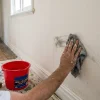
Depending on the substrate, preparation may include cleaning, removing loose coatings, sanding sound surfaces, filling defects and applying a suitable primer. Not every surface needs the same treatment, so a useful quote should describe the work rather than rely on a broad promise of “full preparation”.
Ask how cracks, failed coatings and previous repairs will be handled. Professional painting services should include a clear explanation of what can be repaired within the painting scope and what needs another trade before work begins.
Older coatings may contain lead. If that is suspected, arrange an appropriate assessment before sanding or stripping and confirm how hazardous materials will be managed.
Match the coating to the substrate and conditions
Timber, masonry and metal can require different preparation and coating systems. Bathrooms, busy corridors and exposed exterior elevations also place different demands on a finish.
For Melbourne exteriors, scheduling should account for rain, surface moisture and the temperature limits stated by the coating manufacturer. A surface being dry to the touch does not establish that every application condition is suitable.
Ask the painter to identify the proposed system and explain why it suits the property. That is more useful than choosing a product simply because its label says “premium”.
Assess the cost over the life of the finish
The cheapest quote may exclude work that another contractor has included. Equally, the most expensive quote is not automatically the best. Compare the specified work and expected maintenance needs, not just the total.
A lower initial price can become poor value if it leaves failing paint in place, omits necessary preparation or excludes access equipment needed to complete the job properly. Before choosing professional painting services, establish whether competing quotes describe genuinely comparable outcomes.
Balance appearance with practical maintenance
Higher-sheen finishes can highlight surface imperfections, while flatter finishes may be less forgiving of frequent cleaning, depending on the product. Ask about the proposed coating's washability and suitability rather than assuming sheen alone determines durability.
A useful handover should record colours, products and where they were applied. Keep this information with your property maintenance records so future repairs do not depend on guessing the original specification.
Follow the manufacturer's curing and cleaning instructions after painting. Drying and curing are not the same process, and early scrubbing can damage a finish that has not reached its intended performance.
Inspect exterior trouble spots periodically, especially exposed timber, joints and areas near gutters. Addressing a small coating failure or moisture source early can prevent a larger repair later.

Match commercial painting to the tenant's needs
Commercial property value is tied partly to whether the premises suit their intended use. An attractive finish is useful, but it must also accommodate cleaning, traffic and the tenant's operating schedule.
Offices, retail spaces and healthcare tenancies should not automatically receive identical specifications. Professional painting services for a commercial property need a brief that identifies how each area is used, where wear occurs and when work can safely take place.
For a prospective dental tenancy, reviewing the general, cosmetic and implant care described by Geelong Dental Centre can help a landlord frame questions about the range of activities the premises may need to support. The prospective operator should then confirm its room-specific cleaning and finish requirements rather than leaving those decisions to a generic office painting scope.
Painting alone does not make a surface suitable for clinical use or establish compliance with healthcare requirements. Product selection and cleaning compatibility need to be checked against the operator's specifications.
Work scheduling also has financial consequences. Discuss staged access, ventilation, protection of equipment and when areas can return to use. An agreed programme helps owners and tenants understand disruption before committing to the work.
For leased premises, confirm who authorises colours and who is responsible for maintenance. Written approval can prevent disputes when the lease ends or the property changes hands.
Compare quotes against a clear definition of completion
Before requesting prices, prepare a short brief covering the property's purpose, the surfaces to be painted and any known defects. Share the same information with each contractor so the comparison is meaningful.
A useful scope should identify preparation, coating systems, included surfaces, exclusions and site protection. It should also explain how additional repairs will be approved if problems emerge after work starts. The guide to what residential painting contractors include in their quotes provides more detail on checking those inclusions.
When comparing professional painting services, ask how completion will be assessed as well as how the work will begin. Agreeing on a final walkthrough gives both parties a chance to identify missed areas, visible defects and any outstanding items.
Warranty terms belong in that conversation. Confirm what workmanship cover includes, how a concern is reported and which conditions apply. Do not assume a workmanship warranty means every painted surface will remain unchanged throughout the warranty period.
For owners preparing to sell or lease, retain the quote, invoice, colour schedule and warranty documentation. These records help demonstrate what was completed and make future maintenance easier. They support transparency, not a guaranteed increase in market value.
Frequently asked questions
Does repainting always increase a property's sale price? No. Painting can improve presentation and address visible maintenance needs, but the sale result also depends on the market, location and overall property condition. Focus on work that removes clear objections rather than assuming a fixed return.
Should I paint the whole property before selling? Not necessarily. A condition assessment may show that selected rooms, the entrance or deteriorating exterior surfaces deserve priority. Partial repainting needs careful colour and finish matching to avoid making untouched areas look inconsistent.
How long should a professional paint finish last? There is no single lifespan for every surface. Preparation, coating selection, exposure, moisture and cleaning all affect performance. Ask for advice specific to your property and distinguish expected coating performance from workmanship warranty terms.
Is painting over water stains enough? No. Investigate and resolve the moisture source first, then allow the affected material to dry and assess whether repairs are needed. Only then should suitable preparation and stain-blocking treatment be considered.
Plan professional painting services around lasting value
Auspainters provides residential and commercial painting across Melbourne, including interior and exterior work. The team offers free quotations, is Dulux accredited, fully insured and OHS compliant, and provides a 5-year workmanship warranty and a final walkthrough.
To request a free quote from Auspainters, outline your property's condition, your ownership plans and the areas that concern you most. Use the quotation process to agree on preparation, suitable finishes and a clear scope, so your investment supports both presentation now and maintenance over time.