
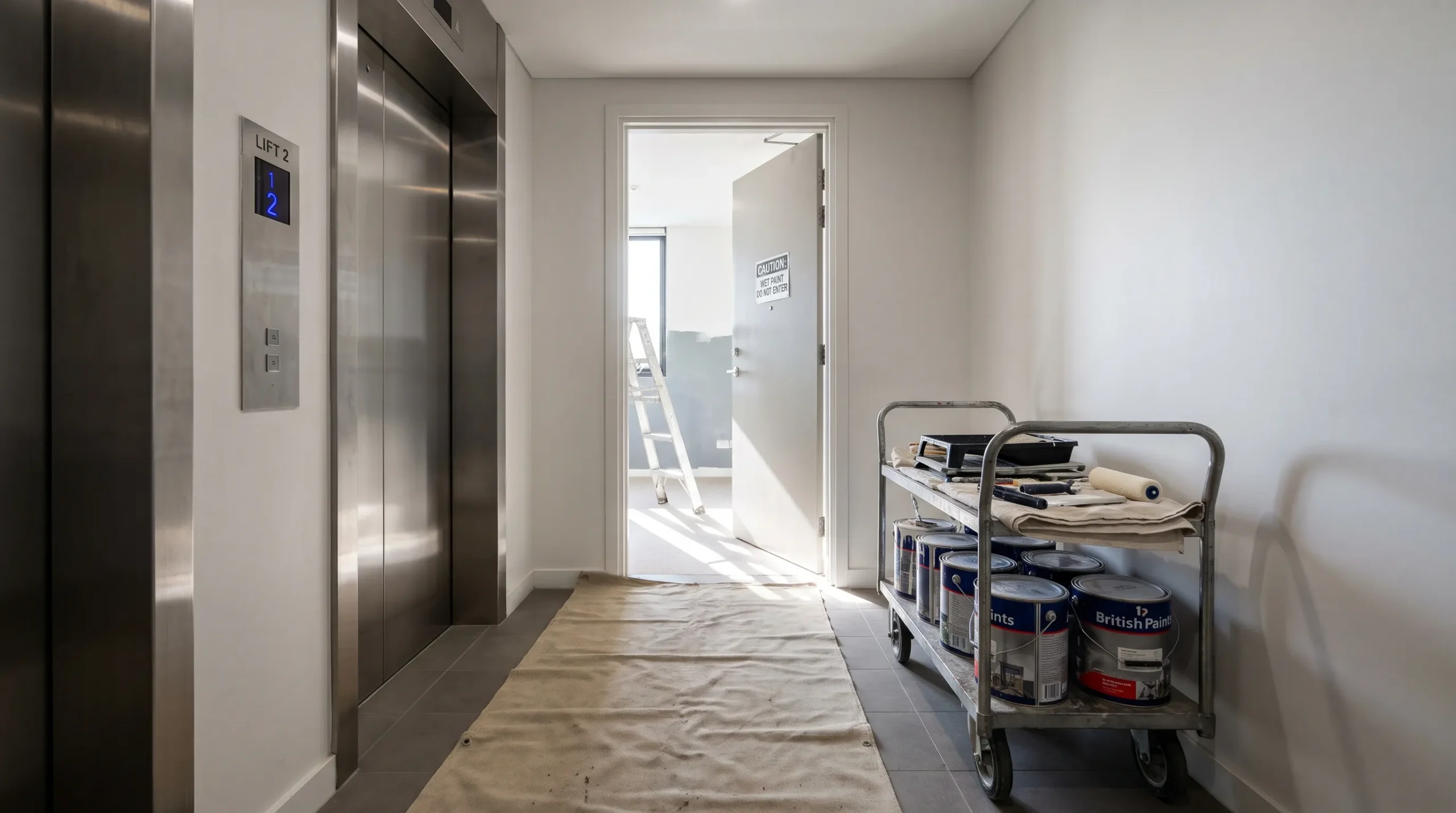

Hiring interior house painters Melbourne apartment owners can rely on involves more than comparing prices. A good result depends on surface preparation, suitable coatings and a practical plan for working inside a shared building. Lift bookings, restricted parking and limited ventilation can affect the job just as much as the number of rooms.
Before accepting a quote, establish what needs painting, how the contractor will access your apartment and what happens if they uncover damaged surfaces. The following checks will help you compare proposals and avoid preventable disruption.
Start with your building’s requirements
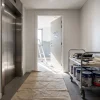
Ask your building manager or owners corporation about contractor access before requesting a firm start date. Buildings may have rules covering work hours, lift protection, loading areas and the movement of materials through common property.
Confirm whether your proposed work needs approval, particularly if it affects common property or building services. Do not assume that requirements for a straightforward internal repaint also apply to changes involving shared doors, corridors or other building elements. Consumer Affairs Victoria’s owners corporation guidance is a useful starting point for understanding these responsibilities.
Give prospective painters the practical details: which entrance they must use, whether parking is available and where equipment can be stored securely. Establish who will arrange lift bookings and protect common-area floors.
These details belong in the planning conversation, not in a hurried phone call on the first morning. An otherwise competitive quote may be less attractive if access arrangements and associated costs remain unresolved.
Comparing interior house painters Melbourne apartment owners recommend
Compare written scopes rather than headline totals. Two quotes for the same apartment can describe very different jobs, particularly when one includes ceilings and woodwork while another covers walls only.
Use the following checks to make the differences visible:
| Quote item | What the written scope should clarify |
|---|---|
| Included surfaces | Rooms, walls, ceilings, doors, frames, skirting boards and built-in surfaces |
| Preparation | Cleaning, filling, sanding, spot priming and treatment of existing coating problems |
| Paint system | Product range, sheen, primer requirements and specified finish coats |
| Protection | Furniture, flooring, fixtures and common-area protection |
| Access and clean-up | Material handling, equipment storage, rubbish removal and final cleaning |
| Exclusions | Unresolved leaks, substantial plaster repairs, hazardous materials or other separately priced work |
“Prepare and paint throughout” leaves too much open to interpretation. Ask whether preparation includes repairing old picture-hook holes, addressing peeling edges and sealing stains where appropriate.
Resolve damage before covering it
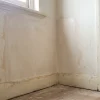
Water staining, bubbling paint and recurring mould need investigation before repainting. Coatings will not repair an active leak or solve persistent condensation. Agree who will assess the cause and whether another trade must complete repairs first.
If older coatings or building materials may contain lead or asbestos, do not authorise uncontrolled sanding or scraping. Seek appropriate assessment before disturbing suspect materials. The Victorian Government’s asbestos information explains why identification and safe handling matter.
Understand what changes the price
When requesting prices from interior house painters Melbourne owners have shortlisted, give every contractor the same room list, photographs and access information. A site inspection helps them assess conditions that photographs can hide, including loose paint, uneven repairs and difficult furniture arrangements.
Floor area alone is a poor guide to cost. A small apartment with extensive preparation, several doors and occupied rooms may involve more work than a larger, empty property with sound surfaces.
Ask whether the total includes GST where applicable, materials, protection and clean-up. Check how additional work will be approved and priced. Any variation should be agreed in writing before it proceeds. Also confirm the deposit, progress payments and final payment terms before booking.
For an investment apartment, distinguish necessary maintenance from optional cosmetic work. Clean, consistent presentation is useful, but painting does not guarantee higher rent. A Malta-based office-leasing guide similarly highlights cleanliness and modern finishes when presenting a rental space. That is a presentation principle, not evidence of a particular return in Melbourne’s apartment market.
A detailed quote makes these decisions easier because you can adjust the scope without guessing what has been removed.
Verify insurance, credentials and apartment experience
Ask the interior house painters Melbourne neighbours recommend for evidence beyond finished-room photographs. Apartment experience includes managing access, protecting shared spaces and maintaining clear communication with residents.
Request the contractor’s business name and ABN, then check that the quotation and insurance documents identify the business you are hiring. Ask for a current public liability certificate of currency and clarify whether subcontractors will be involved, including how their work and insurance are managed.
A relevant reference is especially helpful. Ask a previous apartment customer whether the painter respected building rules, kept agreed access times and dealt promptly with defects. Attractive photographs cannot answer those questions.
Accreditation is another useful check, but it does not replace a written scope. If a painter claims Dulux accreditation, ask for confirmation rather than relying only on a logo.
Read warranty terms before paying a deposit. Establish what workmanship defects are covered, how to report a problem and what exclusions apply. Problems caused by an unresolved leak, for example, should not be confused with defective application. Keep the accepted quote, colour schedule and warranty documentation together.
Plan the work around daily apartment life
The interior house painters Melbourne residents hire should explain the sequence of work, not simply nominate a completion date. Ask which rooms will be unavailable each day and how you will reach the kitchen, bathroom and exit safely.
For an occupied apartment, agree where furniture will move and who is responsible for moving it. Identify fragile items, wall-mounted equipment and anything that needs specialist handling. Do not assume the painter will disconnect appliances or remove heavy shelving.
Keep pets away from wet coatings, open paint containers and active work areas. Discuss suitable arrangements for children and anyone sensitive to paint odours before work starts.
A useful schedule distinguishes between working days, drying periods and the time required before normal cleaning or heavy use. A surface that feels dry may not yet have reached its full durability. Follow the selected product’s instructions rather than treating touch-dry paint as fully cured.
If the apartment will be vacant, coordinate painting with other trades so fresh surfaces are not damaged by later repairs. Owners organising a rental handover can use this guide to booking residential painters between tenancies for the broader changeover schedule.
Make ventilation part of the paint specification
When discussing products with interior house painters Melbourne apartment owners are considering, ask how the proposed coating suits the available airflow. Apartments with limited opening windows need a different practical plan from homes with easy cross-ventilation.
Low-VOC products can help reduce certain emissions, but the label does not mean a room needs no ventilation or that every occupant will tolerate the product equally well. Ask for the exact product name and follow its application, ventilation and re-entry guidance.
Discuss where air can move safely without directing fumes into shared corridors or neighbouring apartments. Do not prop open fire doors or interfere with smoke detectors to make painting easier. Any issue involving building systems should be raised with the building manager.
Temperature and humidity also affect drying and recoating. A promised completion time should allow for actual indoor conditions, not just the fastest drying time printed on a product label. If using the apartment normally during the work is essential, resolve that requirement before accepting the proposed system.
Choose finishes for the surfaces you actually have
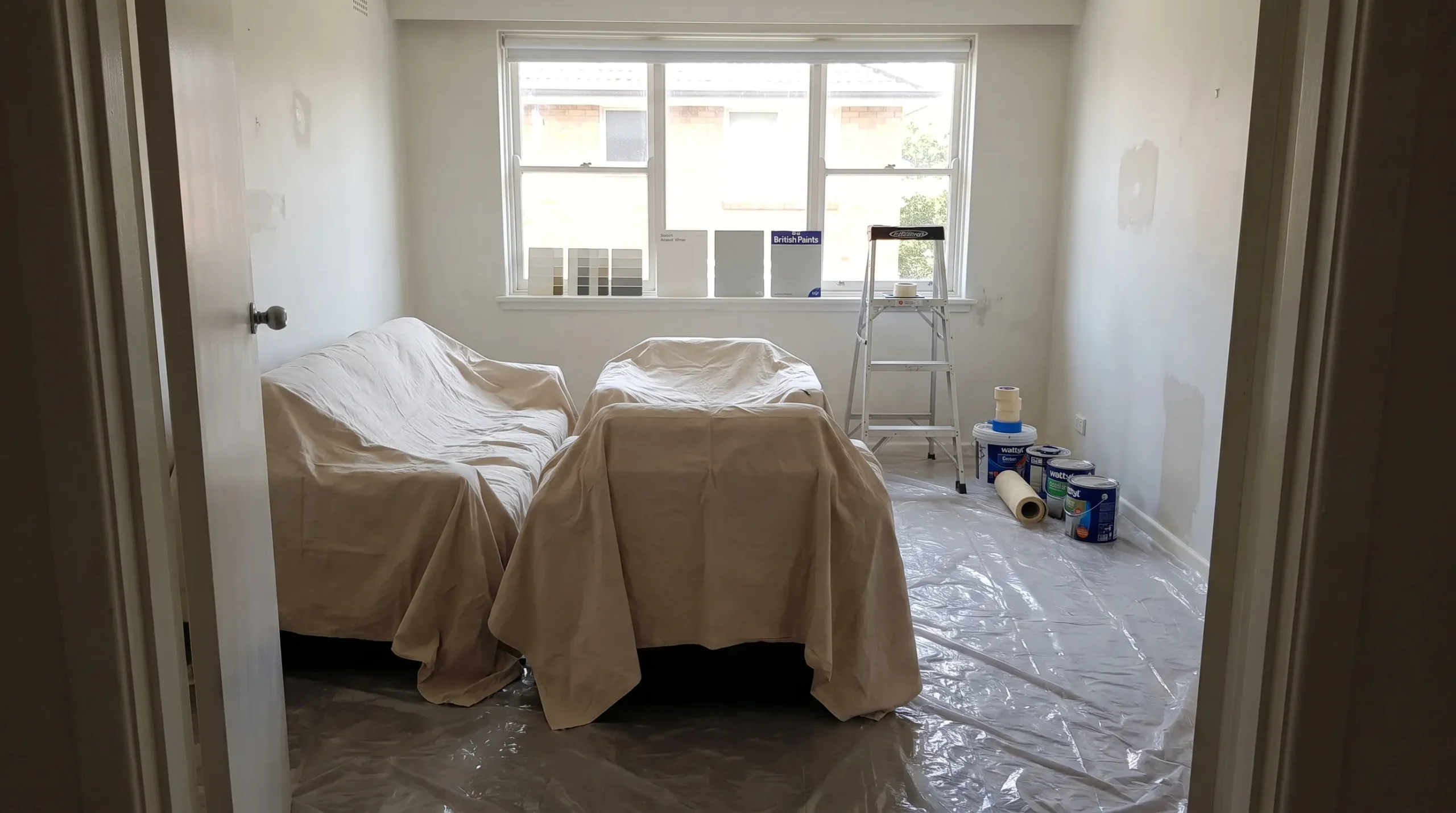
Colour selection should follow a check of light, wall condition and cleaning needs. Test samples in the apartment and view them during the day and under your evening lighting. A white that looks neutral in a showroom may appear noticeably different beside your flooring or cabinetry.
Ask interior house painters Melbourne residents recommend to explain why a particular sheen suits each surface. Flat finishes are commonly used on ceilings, while low-sheen wall paints and harder-wearing trim coatings may suit other areas. The right choice still depends on the specific product, substrate and intended use.
Higher sheen can make surface imperfections more noticeable, particularly where light falls across a wall from balcony doors or large windows. Discuss patching standards before selecting a finish that could highlight uneven repairs.
For doors and frames, the existing coating matters too. The painter should assess compatibility and preparation requirements rather than assume a new water-based coating will adhere properly to every old finish.
Agree on inspection and handover before work begins
Set the final walkthrough expectation when you accept the quote. Inspect completed rooms in practical lighting conditions and compare the work with the agreed scope, including less obvious areas such as door edges, corners and skirting boards.
Ask how any incomplete work or agreed touch-ups will be recorded and resolved. Raising a specific concern during the walkthrough is more useful than sending a vague complaint weeks later.
Before interior house painters Melbourne apartment owners hire leave the site, the handover should address:
- Finish details: The product range, sheen and colour name or code used on each surface.
- Care instructions: When to replace furniture, clean surfaces and apply fixings or adhesive hooks.
- Remaining work: Any agreed defects or incomplete items, with a plan for rectification.
- Documentation: Warranty information and a clear contact for follow-up questions.
Retain labelled leftover paint if supplied and store it according to the manufacturer’s instructions. Check that rubbish has been removed and common areas are left clean, not just the rooms inside your apartment.
Frequently asked questions
Can I get an accurate quote from photographs? Some interior house painters Melbourne owners contact may provide an initial estimate from photographs. A site inspection is more useful for confirming preparation, access and occupied-room requirements before agreeing to a fixed scope.
Do I need owners corporation approval to repaint inside my apartment? Check your building’s rules and the nature of the proposed work. Requirements can differ where common property or building services are affected. Confirm access arrangements even if the painting itself does not need approval.
Which indoor paint brand is best? There is no single best brand for every surface. Compare the specific product range, suitability for the substrate, finish, cleaning requirements and application instructions rather than choosing by brand alone.
How long will an apartment repaint take? Timing depends on the included surfaces, repairs, access, occupancy and drying conditions. Request a project-specific schedule that separates preparation, coating application and the period before normal use.
Request an apartment-specific quote
Auspainters provides professional interior house painting in Melbourne, with free quotations, Dulux accreditation and a 5-year workmanship warranty. The team is fully insured and OHS compliant, with a final walkthrough included.
When requesting a quote, provide your suburb, room list, building access requirements and any photographs of damaged areas. Explain whether you will remain in the apartment during the work, then ask for a written scope covering preparation, coatings, protection and handover.