
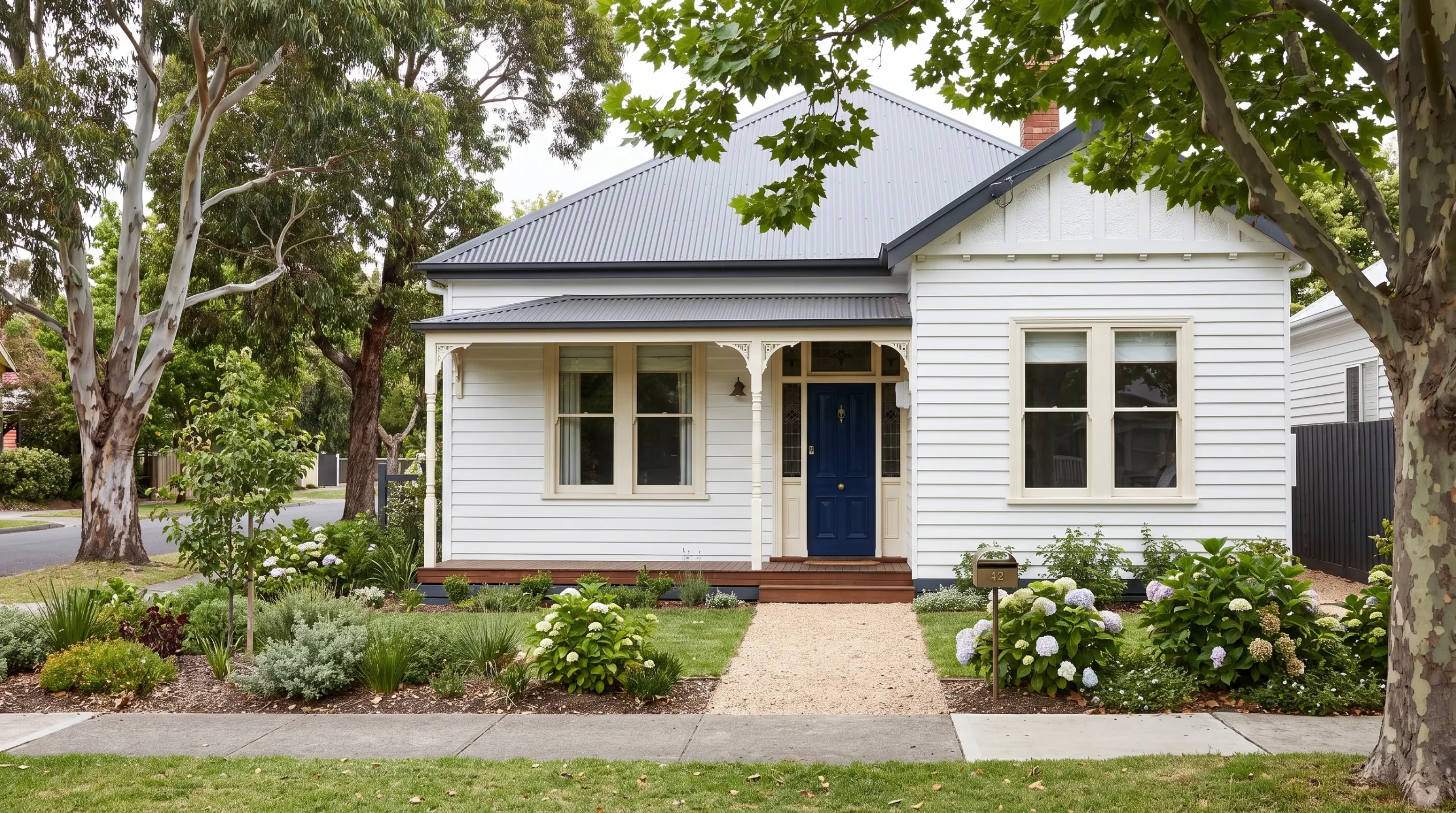

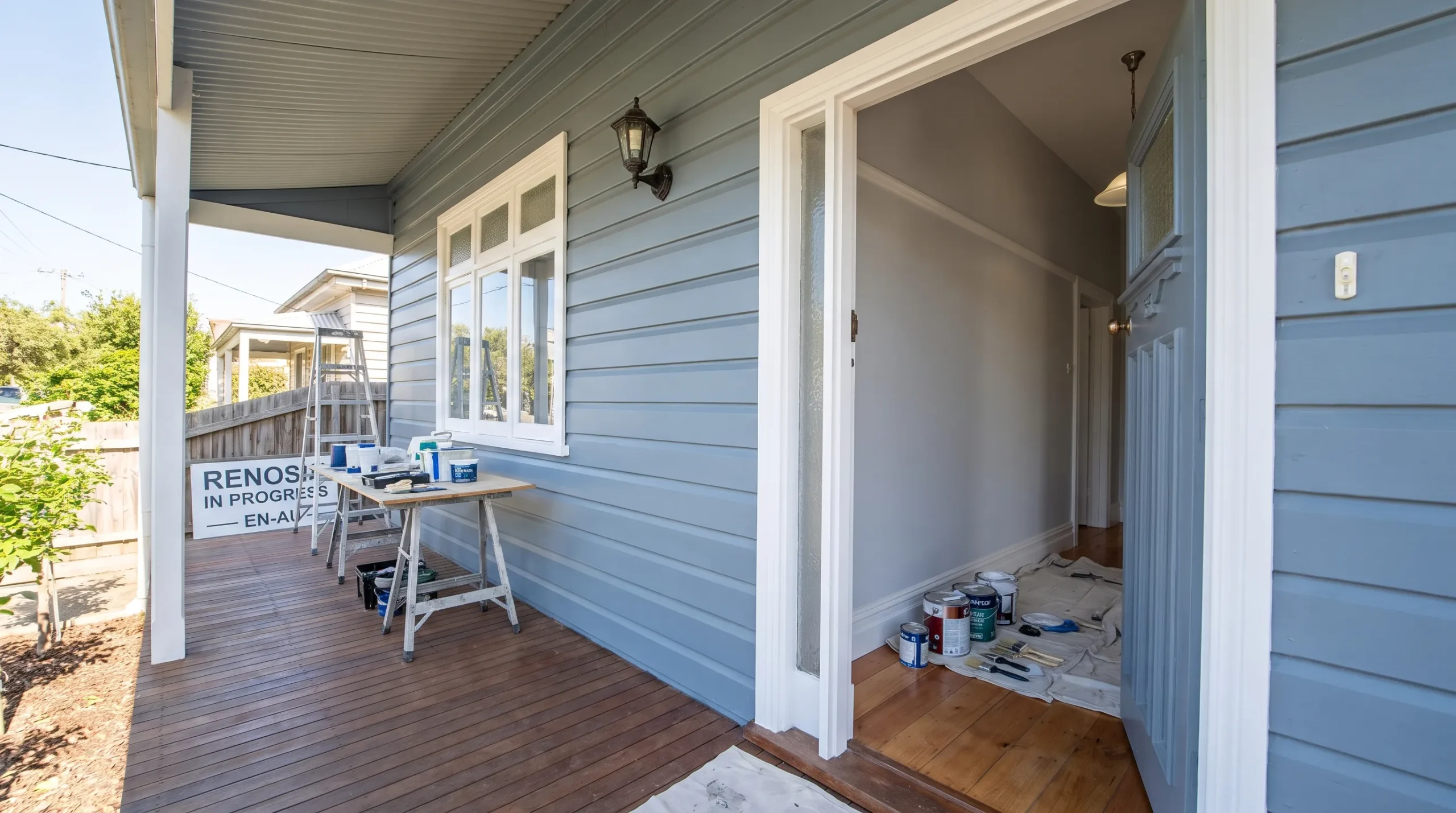
A well-planned interior and exterior house painting project can make your home feel more cohesive, from the street frontage to the rooms you use every day. But a complete refresh involves more than choosing colours. The condition of the surfaces, the coating system and the order of work all affect how the finish looks and lasts.
For Melbourne homeowners, the aim is to coordinate both sides of the project without overlooking repairs, weather or everyday disruption. Start with a clear scope, then compare painters on how they will deliver it.
Start with the condition of the whole home
Before discussing paint colours, walk through the house and around the exterior. Separate cosmetic wear from problems that need investigation. Scuffed hallway walls are different from bubbling paint beneath a window, just as faded weatherboards are different from soft or deteriorating timber.
Look for peeling coatings, open joints, water stains, mould and damaged sealants. Record where each problem occurs and ask the painter which repairs are included in their scope. Leaks, drainage faults and significant timber deterioration may require another trade before painting can begin.
Also decide which surfaces belong in the project. “Paint the house” could mean walls alone, or it could include ceilings, doors, skirting boards, window frames, eaves and exterior trim. Fences, decks and roofing should not be assumed to be included.
A written surface list helps prevent omissions and makes quotations easier to compare.
Plan interior and exterior house painting as one project
A coordinated refresh does not require identical colours throughout the property. It needs a consistent approach to undertones, contrast and the features that will remain unchanged.
Start with fixed elements such as roof colour, brickwork, flooring and kitchen cabinetry. An exterior colour should sit comfortably beside these materials, while the entry and hallway can provide a visual connection to the interior palette.
Test shortlisted colours on representative surfaces before approving them. View exterior samples in sun and shade, and check interior samples during daylight and under your usual evening lighting. A small colour card cannot show the full effect across a large wall.
Decide whether everything must happen together or whether the work should be staged. You might prioritise exposed exterior timber before refreshing bedrooms, or complete indoor work while waiting for suitable outdoor conditions. Share those priorities when requesting a quote.
For the indoor portion, Auspainters’ interior house painting service is a relevant starting point for discussing rooms, surfaces and finishes within a broader home refresh.
Choose coatings for the surface and its exposure
For interior and exterior house painting, the right specification changes from one substrate to the next. A washable living-room coating, an exterior masonry system and a finish for metalwork serve different purposes.
Ask the painter to identify the existing surface and explain the proposed preparation, primer and finish. The product label and technical data should support the intended application.
| Surface or location | Main consideration | What to confirm |
|---|---|---|
| Interior walls | Cleaning, appearance and existing condition | Suitable sheen, washability and primer requirements |
| Kitchens and bathrooms | Moisture exposure and ventilation | Product suitability and any underlying moisture problems |
| Exterior timber | Weather exposure and movement | Timber repairs, preparation and compatible coatings |
| Masonry or render | Moisture, cracking and previous coatings | Substrate condition and an appropriate coating system |
| Metal doors or railings | Corrosion and adhesion | Rust treatment and compatible primer and topcoat |
Higher sheen can make surface imperfections more noticeable. Lower-sheen finishes may soften their appearance, but cleaning performance depends on the particular product rather than sheen alone.
Do not assume exterior paint is an upgrade for indoor rooms. Use a coating expressly approved for the location, and follow its ventilation and reoccupation instructions. Low-VOC products may be worth discussing for occupied homes, but they still require correct application and ventilation.
Resolve defects before surface preparation
The success of interior and exterior house painting depends on a sound, dry base, not on adding more coats over defects. Painting over loose material, active damp or deteriorated timber leaves the underlying problem in place.
Preparation may include cleaning, removing unsound coatings, filling suitable defects, sanding and priming. The exact process should reflect the surface and the condition of the existing finish. A stain-blocking primer, for example, does not repair the leak that caused a ceiling stain.
There is also a difference between a small cosmetic crack and movement that needs further assessment. Ask what the painter can repair and which defects should be referred to another qualified trade.
Older homes need particular care before scraping or sanding. Previous coatings may contain lead, and some building materials may contain asbestos. Suspect materials should be assessed before they are disturbed. WorkSafe Victoria’s asbestos guidance explains the hazards associated with asbestos-containing materials.
Confirm how floors, furniture, gardens and neighbouring surfaces will be protected. Preparation should include managing dust and debris, not simply getting the walls ready for a roller.
Schedule around Melbourne weather and daily life
Good scheduling for interior and exterior house painting leaves room for weather delays without making the entire home unusable. Exterior work depends on more than a rain-free forecast: surface moisture, temperature, humidity and drying conditions also matter.
The coating manufacturer’s application limits should guide the work. Strong sun can heat a surface beyond suitable conditions, while cool or damp weather can extend drying times. Auspainters’ guide to planning when to paint a Melbourne home provides further context for seasonal scheduling.
Indoors, agree on a room-by-room sequence and clarify access to bedrooms, bathrooms and the kitchen. Discuss pets, children, working from home and any furniture that needs moving before the start date.
Ask whether interior and exterior tasks can be coordinated around changing weather, rather than assuming both will progress at the same pace. Also distinguish touch-dry paint from a fully cured finish. Follow product-specific advice before washing walls, replacing furnishings against painted surfaces or putting freshly coated doors back into heavy use.
Compare quotations on the same scope
A lower total is not necessarily a better offer if it excludes ceilings, substantial preparation or difficult-access areas. Give each painter the same surface list and ask for enough detail to understand what you are buying.
Clear specifications matter in specialist work, whether commissioning a custom refrigerated van conversion or repainting a weatherboard home. For your painting quote, that means naming the surfaces, preparation and coating system rather than relying on a promise of a “premium finish”.
Useful points to confirm include:
- Included surfaces: Identify rooms, ceilings, trim, external walls and any exclusions.
- Preparation and repairs: Clarify what is allowed for and how additional defects will be priced.
- Coating specification: Request proposed products, primers and the application system.
- Access and protection: Check arrangements for scaffolding, furniture, landscaping and clean-up.
- Completion and warranty: Confirm the final inspection process and request written warranty terms.
The cost of interior and exterior house painting depends on the actual scope, including surface condition, access, repairs and the amount of detailed trim. Floor area alone does not capture those differences.
Ask how variations will be approved before extra work proceeds. This is especially useful when removing failed coatings could reveal damage that was not visible during the initial inspection.
Use the final walkthrough to check the details
Review the work with the painter before considering the project complete. Look at walls and ceilings under normal lighting, then check corners, edges, doors, frames and other detailed areas.
Outside, inspect accessible surfaces from sensible viewing positions. Check that agreed repairs and coatings have been completed, protective materials have been removed and surrounding areas have been left tidy. Record any agreed touch-ups so both parties understand what remains outstanding.
Request the names of the products and colours used, along with relevant care instructions. If leftover paint is supplied, keep its label intact and follow the manufacturer’s storage directions.
A workmanship warranty should be read alongside its written terms. Ask who provides it, what it covers and how to raise a concern. Do not assume it covers every future stain, leak, movement crack or maintenance issue.
Frequently asked questions
Can interior and exterior house painting be done in stages? Yes. Staging can help manage budget, weather and access to the home. Prioritise exposed or failing surfaces, then agree on a sequence for the remaining work. Ask whether separate stages will involve additional setup or access costs.
Can I use exterior paint inside my home? Do not use an exterior-only paint indoors. Choose a product expressly approved for interior use and the particular surface. A product labelled for both interior and exterior applications may be suitable, but its instructions still apply.
Which paint is best for a home exterior? There is no single best paint for every home. Timber, masonry and metal need suitable systems, and previous coatings affect compatibility. Choose according to the substrate, exposure and manufacturer’s recommendations rather than colour or brand alone.
Can I just paint the outside of my house? Yes. There is no requirement to repaint the interior at the same time. Exterior-only work can be a sensible priority when weather-exposed coatings are deteriorating, provided underlying defects are addressed first.
Is painting a house yourself difficult? A straightforward room may be manageable with suitable preparation and equipment. A whole-home repaint becomes more demanding when it involves extensive repairs, high access, older coatings or several substrates. Professional help is particularly valuable where safety or surface assessment is involved.
Discuss your complete refresh with Auspainters
Auspainters provides interior and exterior house painting across Melbourne, with free quotations and a 5-year workmanship warranty. The business is Dulux accredited, fully insured and OHS compliant, with a final walkthrough included.
To make your quotation useful, prepare a list of surfaces, note known defects and explain any timing or access constraints. Ask for the proposed preparation, coating system and warranty terms in writing.
Request a free painting quotation from Auspainters to discuss a coordinated refresh for your Melbourne home.