

A weatherboard home, a busy shopfront and an apartment building may all need repainting, but they rarely need the same approach. Residential and commercial painting works best when the scope reflects the building’s surfaces, condition and daily use. For Melbourne property owners, that means looking beyond colour to consider access, preparation, moisture exposure and how people will use the space during the work.
This guide explains what changes across different property types, which details deserve attention before quoting and how to plan a finish that suits the building rather than applying the same specification everywhere.
Start with the building, not just the colour
Property labels are a useful starting point, but they do not tell the whole story. A home office may experience little wear, while a rental hallway needs regular cleaning. A quiet commercial consulting room has different requirements from a loading area exposed to impact and grime.
Before choosing products, assess three things: what the surface is made from, what condition it is in and what it needs to withstand. Timber, plasterboard, masonry and metal each require appropriate preparation and compatible coating systems.
Peeling paint, persistent staining or damp patches also need investigation. Repainting over an unresolved leak or failing substrate can leave the new finish vulnerable to the same problem.
For residential and commercial painting, a site assessment should establish these conditions before a coating system or completion schedule is agreed.
| Property type | Main planning priority | Detail to check early |
|---|---|---|
| Detached home or townhouse | Interior comfort and exterior exposure | Timber condition, access and adjoining surfaces |
| Apartment or unit | Access and responsibility boundaries | Owners corporation requirements and shared areas |
| Rental property | Practical maintenance between tenancies | Cleaning needs and existing damage |
| Office, shop or hospitality venue | Safe access and operational continuity | Occupancy, ventilation and work stages |
| Warehouse or mixed-use building | Surface suitability and varied uses | Specialist coating needs and separate work zones |
Homes, townhouses and apartments
Detached homes and townhouses
For standalone houses, divide the assessment into interior and exterior requirements. Inside, inspect cracks, damaged plaster, water stains and previously painted joinery. Outside, check weatherboards, render, eaves and exposed trim for deterioration before discussing the finish.
Melbourne’s changeable weather makes exterior scheduling particularly important. Application conditions must meet the coating manufacturer’s requirements, including suitable surface temperature and protection from rain during the relevant drying period.
Older homes may also have multiple layers of unknown coatings or suspect building materials. Avoid sanding or disturbing them until potential lead paint or asbestos has been assessed. WorkSafe Victoria’s asbestos guidance is a useful starting point when older building materials are involved.
The preparation stage of residential and commercial painting should identify these risks rather than treating every ageing surface as a routine sanding job.
Apartments and units
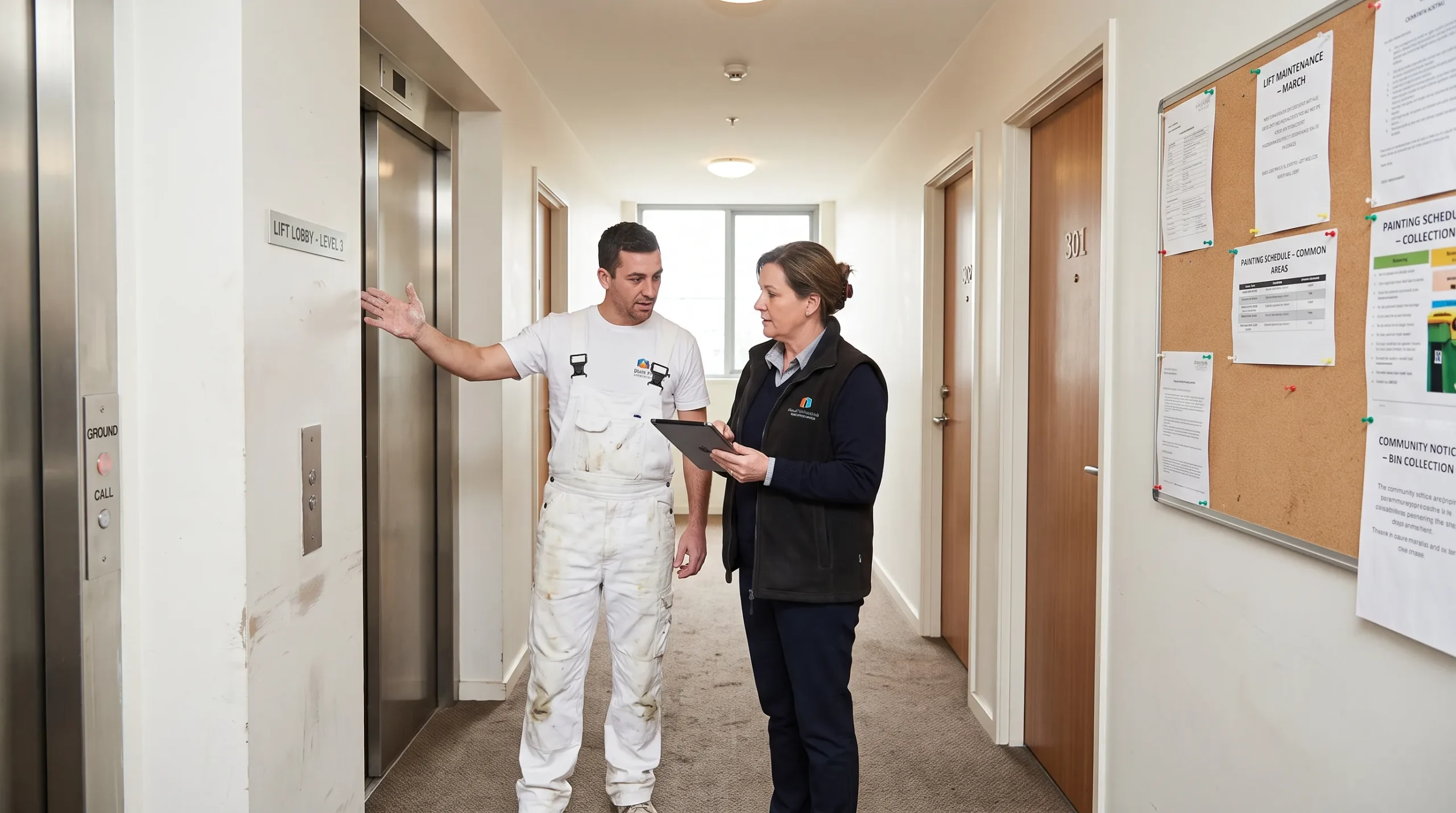
Apartment painting involves more than protecting furniture. Lift bookings, parking restrictions, corridor access and building rules can affect how materials and workers reach the property.
Confirm which surfaces belong to the lot owner and which fall under owners corporation responsibility. External walls, balconies, common corridors and shared doors may require approval, depending on the building’s arrangements. Do not assume an owner can change an exterior colour independently.
Inside the apartment, plan around ventilation and access to essential rooms. Product drying and recoat times are not the same as full cure times, so newly painted surfaces may need gentle treatment after the room becomes usable.
For work within an individual dwelling, Auspainters’ interior house painting services provide a relevant starting point for discussing the proposed scope.
Rental properties
Rental repaints benefit from a maintenance-focused approach. Prioritise damaged walls, heavily used circulation areas and finishes that can tolerate the cleaning expected in that room.
Before work starts, distinguish ordinary surface wear from problems requiring another trade. A painter can prepare suitable surfaces, but active plumbing leaks, unstable plaster or structural movement need separate attention.
Residential and commercial painting schedules should allow for preparation, recoating and appropriate drying time, not simply fit the application into the shortest vacancy window. Clear handover instructions help avoid damage when furniture is moved back in.
Commercial premises and shared buildings
Offices, shops and hospitality venues
Commercial properties require a plan based on activity, not just floor area. Reception walls may need to remain presentable under frequent cleaning, while stockrooms and staff areas have different priorities.
For shops, cafés and offices that remain open, agree how work zones will be separated from occupants. Entrances, emergency exits and accessible routes need to remain appropriately managed. Discuss noise, odour, dust control and ventilation before setting the programme.
Ask whether the proposed schedule can accommodate your operating hours rather than assuming evening or weekend work is included. Some projects can be staged room by room; others are better completed during a planned closure.
Auspainters’ guide to minimising business downtime during commercial painting explores scheduling in more detail. For residential and commercial painting alike, access arrangements should be written into the scope so everyone understands which areas will be unavailable.
Warehouses and light industrial premises
Warehouses often combine several surface types and working conditions. Office partitions, masonry walls, steel components and operational areas should not automatically receive the same coating specification.
Check whether the proposed work is ordinary decorative painting or requires a specialist system. Floors exposed to vehicle traffic, chemically affected surfaces and corroded steel may need separate assessment and preparation methods.
Height and access also matter. Elevated work, nearby machinery and active loading zones can affect equipment selection and site controls. The quote should clearly identify included surfaces and exclude areas that need a different trade or specialist treatment.
A neat appearance is valuable, but it does not demonstrate that a coating is suitable for industrial exposure.
Owners corporation and mixed-use properties
Shared buildings need a clear decision-making process. Establish who approves colours, who authorises variations and who receives notices about access restrictions.
Mixed-use properties can be especially demanding because residents and businesses operate on different schedules. A shopfront may need daytime access while nearby residents need safe entry throughout the project.
For residential and commercial painting in these buildings, divide the scope into identifiable zones, such as common corridors, residential entrances and commercial façades. That makes approvals, staging and final inspections easier to manage.
Photographs of existing damage can also help distinguish pre-existing conditions from issues identified during the work. Record inaccessible areas before agreeing how they will be assessed or excluded.
Wet areas and wellness additions need a separate specification
Bathrooms, laundries and wellness spaces introduce moisture conditions that ordinary living rooms do not. Before painting, establish whether the issue is occasional humidity, direct splashing or persistent condensation.
If you are comparing saunas, hot tubs and steam showers through US retailer Hearthside Supply, settle equipment choices before specifying nearby finishes. Equipment layout, ventilation requirements and installation clearances can affect which surrounding surfaces are suitable for painting. Follow the appliance manufacturer’s instructions rather than assuming an ordinary wall coating is appropriate inside a heated enclosure.
Paint is not a substitute for waterproofing. Wet-area construction, ventilation and any water ingress need to be addressed separately. Mould should be investigated and treated appropriately before recoating, with the moisture source corrected where possible.
Residential and commercial painting around these spaces may require different products from the rest of the building. Ask the painter to identify the proposed system and confirm its suitability for the actual exposure, especially around showers, spa rooms or high-humidity amenities.
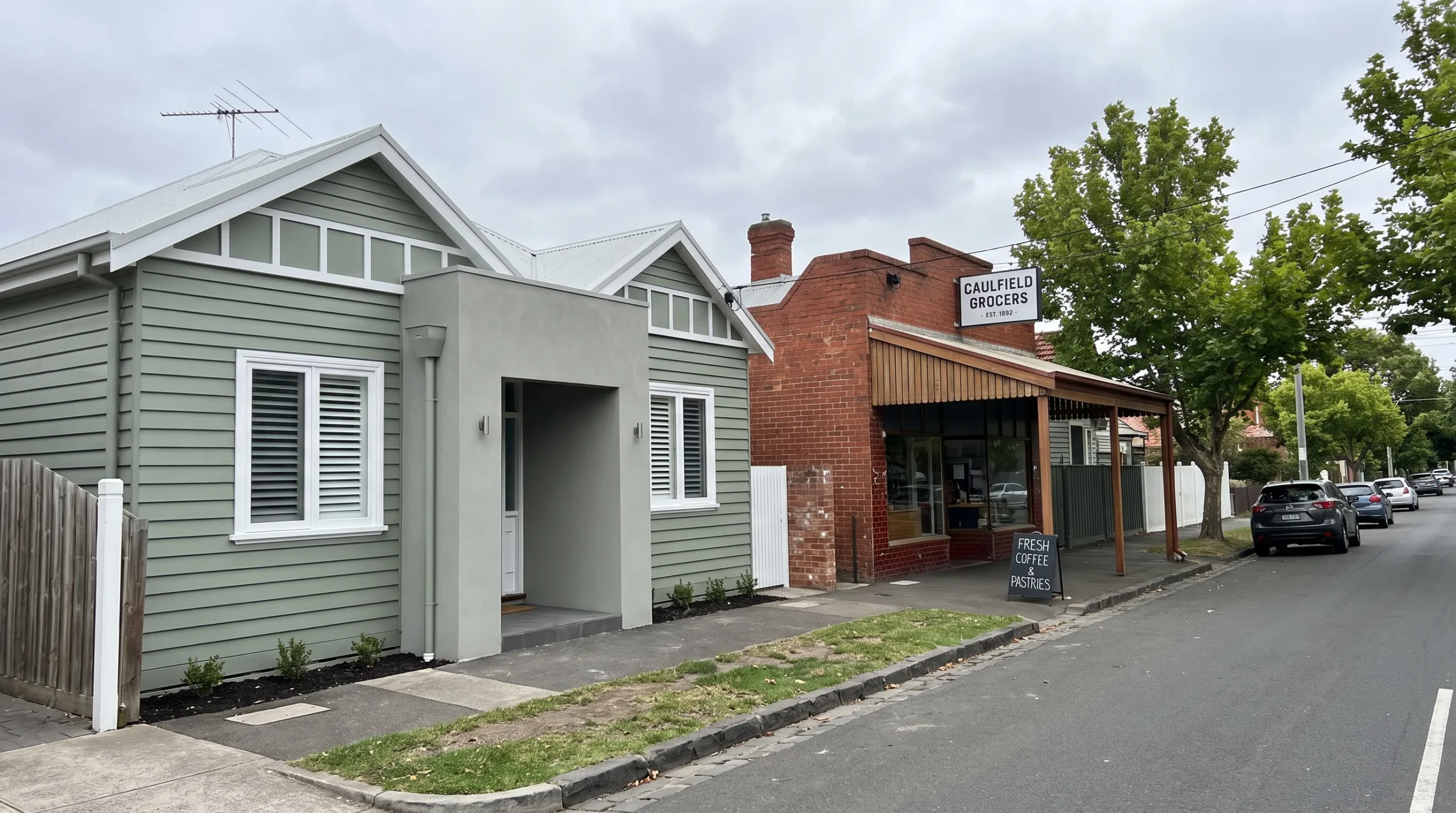
Agree on preparation, access and handover
Once the property’s requirements are clear, turn them into a written scope. This is more useful than comparing quotes solely by the number of rooms or total floor area.
A practical scope should identify:
- Included surfaces: Walls, ceilings, doors, frames, exterior trim and any areas specifically excluded.
- Preparation: Cleaning, scraping, repairs, sanding and priming appropriate to the existing condition.
- Coating system: Proposed products, finishes and application requirements for each surface group.
- Site arrangements: Furniture protection, access equipment, work zones and responsibility for moving items.
- Handover: Final inspection, agreed rectification work and care instructions for newly painted surfaces.
Ask how unexpected conditions will be handled. Concealed damage or an incompatible existing coating may only become apparent during preparation. A clear variation process helps prevent confusion about additional work and cost.
For residential and commercial painting, the final walkthrough should assess the agreed scope rather than focus only on colour. Check coverage, edges, repaired areas and any surfaces that were difficult to access.
Keep a record of product names, colours and finishes for future maintenance. Follow the manufacturer’s curing and cleaning guidance before scrubbing surfaces or placing objects against freshly painted joinery.
Frequently asked questions
Can the same paint be used in a home and a commercial property? Sometimes, provided it suits the substrate and expected use. The residential or commercial label alone does not determine suitability. Cleaning frequency, moisture, abrasion and the condition of the existing coating are more useful factors when choosing a system.
Do all exterior surfaces need the same preparation? No. Weathered timber, sound render and rusting metal require different treatment. Preparation should address the specific surface and existing failure. Covering every material with one general-purpose product may not resolve the underlying problem.
How should I plan painting in an occupied property? Identify essential rooms, entrances and working areas first, then agree on staging and ventilation. Residential and commercial painting in occupied spaces should also account for occupants’ needs, safe access and the coating manufacturer’s drying, curing and re-entry guidance.
What should I check in a workmanship warranty? Ask for the written terms, including what is covered, the warranty period and how an issue is reported. Clarify how pre-existing substrate problems, moisture damage and other exclusions are treated rather than assuming every future paint defect is covered.
Discuss your Melbourne property with Auspainters
Auspainters provides interior, exterior and commercial painting across Melbourne suburbs, with free quotations, premium finishes and a final walkthrough. The business is Dulux accredited, fully insured and OHS compliant, and offers a 5-year workmanship warranty.
Bring details of the property type, known surface problems, access restrictions and preferred timing to your enquiry. Request a free quotation from Auspainters to discuss a painting scope suited to your building and how it is used.