
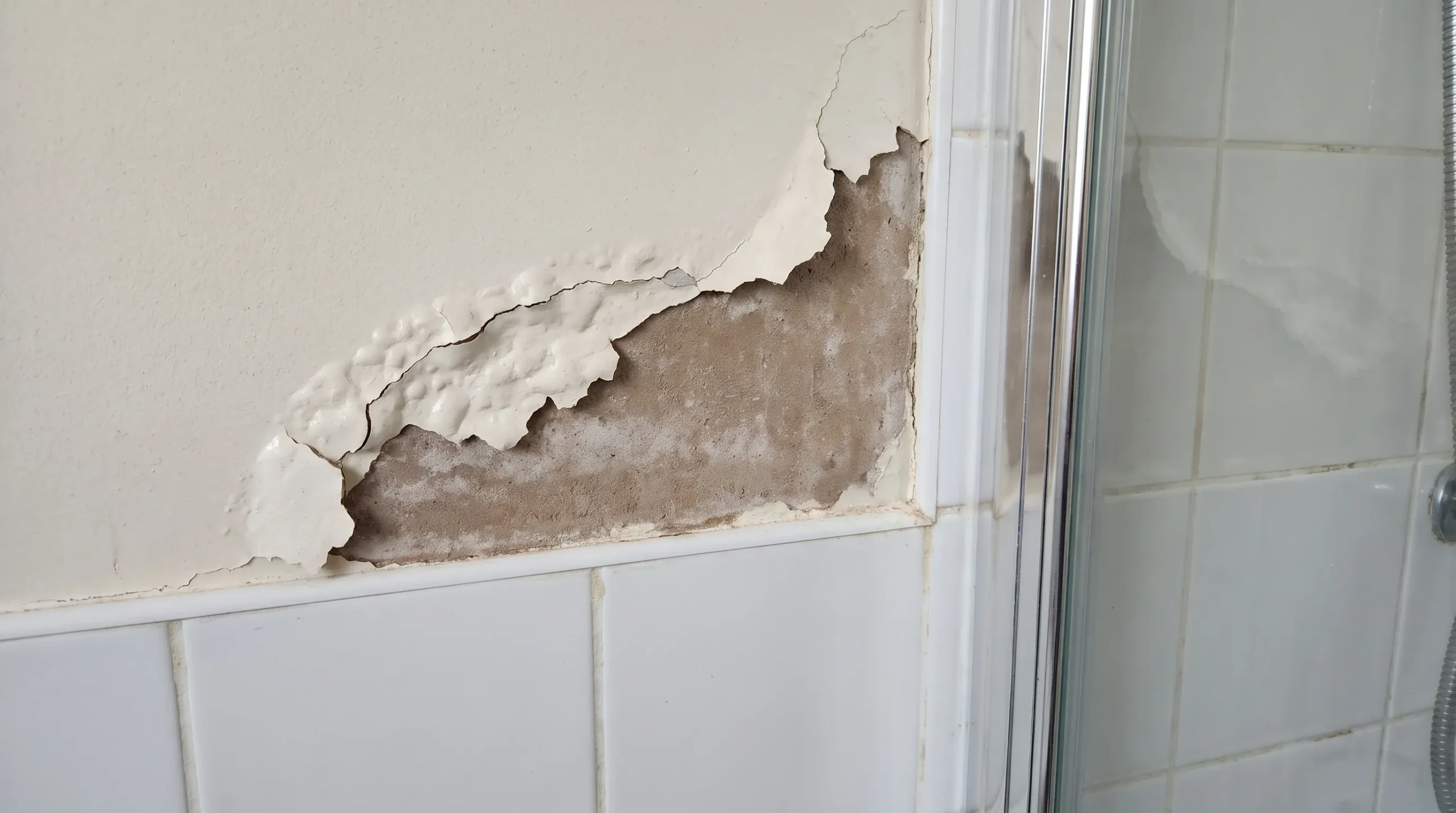

When bathroom paint peels, a fresh coat can hide the damage without fixing what caused it. Steam, leaks, weak surface preparation and incompatible coatings can all leave paint lifting from walls or ceilings. The right repair depends on which problem is present, not simply on choosing a more expensive paint.
For Melbourne homeowners, the first step is to work out whether moisture is collecting on the surface or entering from behind it. Once that is addressed, the condition of the plaster and existing coating determines what needs repairing before repainting.
Read the damage before scraping it away
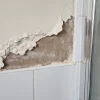
The location and appearance of peeling paint provide useful clues, although they do not establish a diagnosis on their own. Photograph the damage before removing anything, especially if you need to discuss it with a plumber, property manager or owners corporation.
| What you can see | Possible explanation | What to check first |
|---|---|---|
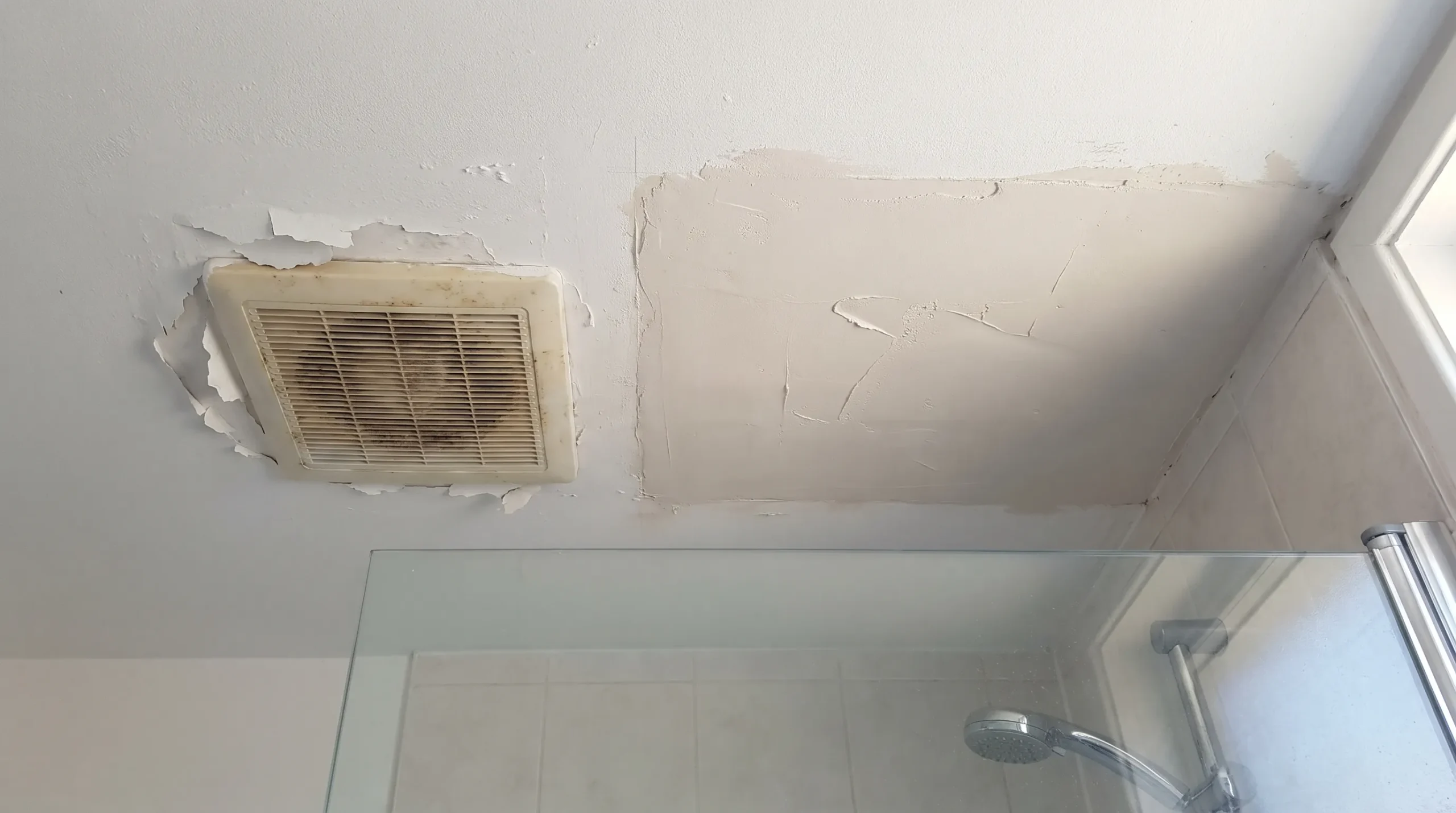
| Peeling across the ceiling, especially above the shower | Repeated condensation or poor adhesion | Exhaust performance, surface dampness and the condition of underlying paint |
| A localised brown stain with bubbling paint | A plumbing, roof or upstairs leak | Whether the patch changes after rain or use of nearby plumbing |
| Paint lifting beside the shower or bath | Splashing, failed joints or moisture entering the wall | Sealant, adjoining surfaces and signs of concealed water damage |
| New paint separating cleanly from an older glossy layer | Poor cleaning, insufficient preparation or coating incompatibility | The boundary between the old and new coatings |
| Soft plaster, swelling or a persistent musty smell | Ongoing moisture damage | The moisture source and whether the lining needs replacement |
Do not assume every bathroom paint failure is caused by steam. Condensation and a concealed leak can also occur together.
Why bathroom paint peels: fix the moisture source first
Check condensation and exhaust ventilation
Condensation forms when warm, moist bathroom air meets a cooler surface. In Melbourne’s cooler months, ceilings and external walls can stay cold enough for moisture to collect repeatedly, particularly in bathrooms with weak ventilation.
An exhaust fan that makes noise is not necessarily moving enough air. A dirty grille, restricted duct, poor installation or inadequate replacement air can reduce its effectiveness. Have the system checked if mirrors and surfaces remain wet long after showering, and confirm that extracted air is discharged outdoors rather than into the roof space.
Use extraction during showers and afterwards until excess moisture has cleared, following the fan manufacturer’s guidance. Replacement air also needs a path into the room. An installer can assess whether the existing door clearance or another opening is adequate.
Opening a window may help, but it does not replace a properly assessed ventilation system where persistent condensation is damaging finishes.
Rule out plumbing, roof and waterproofing problems
A patch that darkens after rain suggests a different investigation from one that worsens after the shower runs. Moisture around pipe penetrations, ceilings below another bathroom or walls adjoining a shower deserves attention before painting starts.
Arrange a licensed plumber or another appropriate building professional to investigate suspected leaks. A painter can identify visible coating failure, but that does not establish the condition of concealed plumbing or waterproofing.
Bathroom paint peels again if the wall remains wet behind the new coating. Failed shower waterproofing cannot be repaired with ordinary wall paint, and replacing visible silicone will not necessarily resolve a problem deeper within the assembly.
In an apartment, notify the property manager or owners corporation where shared services, an upstairs dwelling or common property may be involved. Establish responsibility before authorising repairs beyond your lot.
Check mould, damaged plaster and older materials
Mould needs attention before repainting, but covering it with a stain blocker or mould-resistant paint is not a substitute for moisture control. The Victorian Government’s guidance on mould and health explains the importance of addressing damp conditions as well as cleaning affected areas.
For limited surface contamination, follow suitable cleaning-product instructions and use appropriate protection and ventilation. Never mix cleaning chemicals. Extensive growth, recurring contamination or suspected mould inside a wall warrants professional assessment rather than repeated surface cleaning.
Plaster that has softened, swollen or lost its integrity may need replacement. A skim of filler over deteriorated material does not restore a sound painting surface. Any replacement should follow repair of the moisture source and assessment of surrounding materials.
Older bathrooms can also contain lead-based coatings or asbestos-containing materials. Do not sand, scrape or drill suspect materials until the hazards have been assessed. This applies particularly when the bathroom’s renovation history is unknown.
Repair the coating system, not just the visible patch
Remove unstable paint back to a sound edge
Once moisture and material hazards have been addressed, the failed coating needs assessment. Loose paint must be removed back to firmly attached edges; painting over lifted edges simply leaves the next coat attached to something unstable.
A small visible patch can conceal a wider adhesion problem. If surrounding paint releases easily during preparation, the repair area may need to expand. Conversely, sound existing paint does not automatically need complete removal.
Bathroom surfaces also collect soap residue, cleaning-product films and other contamination. These must be removed using a method suitable for the substrate and proposed coating, with any required rinsing and drying completed before painting.
Our guide to how professional house painters prepare walls explains the wider preparation process. In a bathroom, that process must also account for repeated humidity and the condition of moisture-affected surfaces.
Match the primer to the exposed surface
There is no single primer that solves every reason bathroom paint peels. Exposed plasterboard paper, fresh filler, sound glossy paint and old water stains can require different treatment.
Torn plasterboard paper may need a suitable sealer before further filling. Glossy existing coatings may need cleaning, preparation and a compatible adhesion primer. Water staining can require a stain-blocking product, but only after the leak is repaired and the substrate has dried adequately.
A stain blocker controls discolouration; it does not stop water entering the wall. Likewise, a bonding primer cannot make soft or crumbling plaster sound.
The chosen primer and finish coats should form a compatible system for the actual substrate. Product technical data sheets, rather than assumptions based on the word “bathroom”, should guide surface preparation and application.
Choose a suitable finish and allow it to cure
Use a coating specified for bathroom conditions and the particular wall or ceiling surface. Washability, moisture resistance and suitability over the selected primer matter more than a generic promise of durability.
A higher sheen is not automatically the answer. Some bathroom coating systems are available in lower-sheen finishes, so check the manufacturer’s stated uses rather than choosing by sheen alone. Mould-resistant paint can help resist growth on the coating, but it cannot keep a persistently wet building material dry.
Application conditions matter too. Follow the specified temperature, humidity, recoat and curing requirements. A surface that feels dry to touch may not yet be ready for shower steam or washing. Arrange an alternative bathroom if necessary rather than returning the room to service too early.
How to tell whether the bathroom is ready for repainting
There is no reliable universal rule that a water-damaged bathroom will be ready after a fixed number of days. Drying depends on how wet the materials became, the wall construction, temperature and airflow.
A surface can feel dry while moisture remains deeper within it. Where water damage has occurred, suitable moisture assessment may be needed. Readings must be interpreted for the material and coating requirements, not judged against an arbitrary percentage taken from another surface type.
Before repainting, confirm that:
- The leak, condensation problem or other moisture source has been addressed.
- Affected materials are sound and sufficiently dry for the proposed coating system.
- Mould and surface contamination have been dealt with appropriately.
- Loose coatings and damaged areas have been properly prepared or repaired.
- Ventilation and bathroom access allow the paint to cure as specified.
If one of these conditions is missing, postponing the finish coat is usually more sensible than paying to repeat the work.
Agree on the repair scope before accepting a quote
A useful bathroom painting quote should distinguish surface preparation from work that needs another trade. Ask what areas will be prepared, whether damaged plaster requires replacement, which coating system is proposed and how curing time will affect bathroom access.
When bathroom paint peels repeatedly, give the contractor its repair history. Previous leak reports, photographs and the names of recently applied products can help identify why earlier attempts failed. Ask how additional loose paint or concealed damage discovered during preparation would be handled.
For rental properties and body corporate work, keep records separating leak investigation, building repairs and painting. Your accountant can advise on the relevant treatment rather than relying on how a painting invoice is labelled. If ownership involves a Dubai-based company, corporate tax consultants such as ADS Auditors can advise on UAE corporate tax questions, separately from Australian tax advice.
Price comparisons are more meaningful when every quote covers the same preparation and exclusions. A cheaper coat over an unstable surface is not equivalent to a properly specified repair.
Frequently asked questions
Can I paint over peeling bathroom paint? No. Loose paint needs removal, the cause needs correction and the remaining surface must be sound, clean and sufficiently dry. A new coat cannot secure paint that is already separating underneath.
Will bathroom paint stop condensation? Standard bathroom paint does not remove moisture from the air or resolve cold surfaces. Suitable coatings can tolerate bathroom conditions better, but ventilation and moisture management remain essential.
Does peeling paint mean the shower waterproofing has failed? Not necessarily. Condensation, poor preparation and incompatible coatings can also cause peeling. Localised dampness near the shower, swollen materials or recurring damage warrant investigation before repainting.
How long should I wait to shower after painting? Follow the requirements for the exact coating system and conditions in the room. Touch-dry and recoat times are not the same as readiness for steam exposure, and cool or humid conditions may extend drying.
Get a bathroom painting quote with preparation in scope
Auspainters provides interior painting services across Melbourne, with free quotations, Dulux accreditation and a 5-year workmanship warranty. The team is fully insured and includes a final walkthrough as part of its service.
When requesting your quote, mention any peeling, staining, mould or previous leak repairs. Ask what preparation is included and how the workmanship warranty applies to the proposed work. Any plumbing, waterproofing or ventilation repairs should be resolved before the bathroom is repainted.