

Planning the exterior painting of a house with weatherboards starts with understanding the cladding, not choosing a colour. A fresh coating can protect sound timber, but it cannot fix leaking gutters, rotten board ends or moisture trapped behind the wall.
For Melbourne homeowners, the most useful preparation is a clear scope: which boards need attention, what the painting quote includes and how weather could affect the schedule. Getting those decisions right before work begins helps avoid unexpected repair costs and a finish that fails earlier than it should.
Start with the condition of the weatherboards
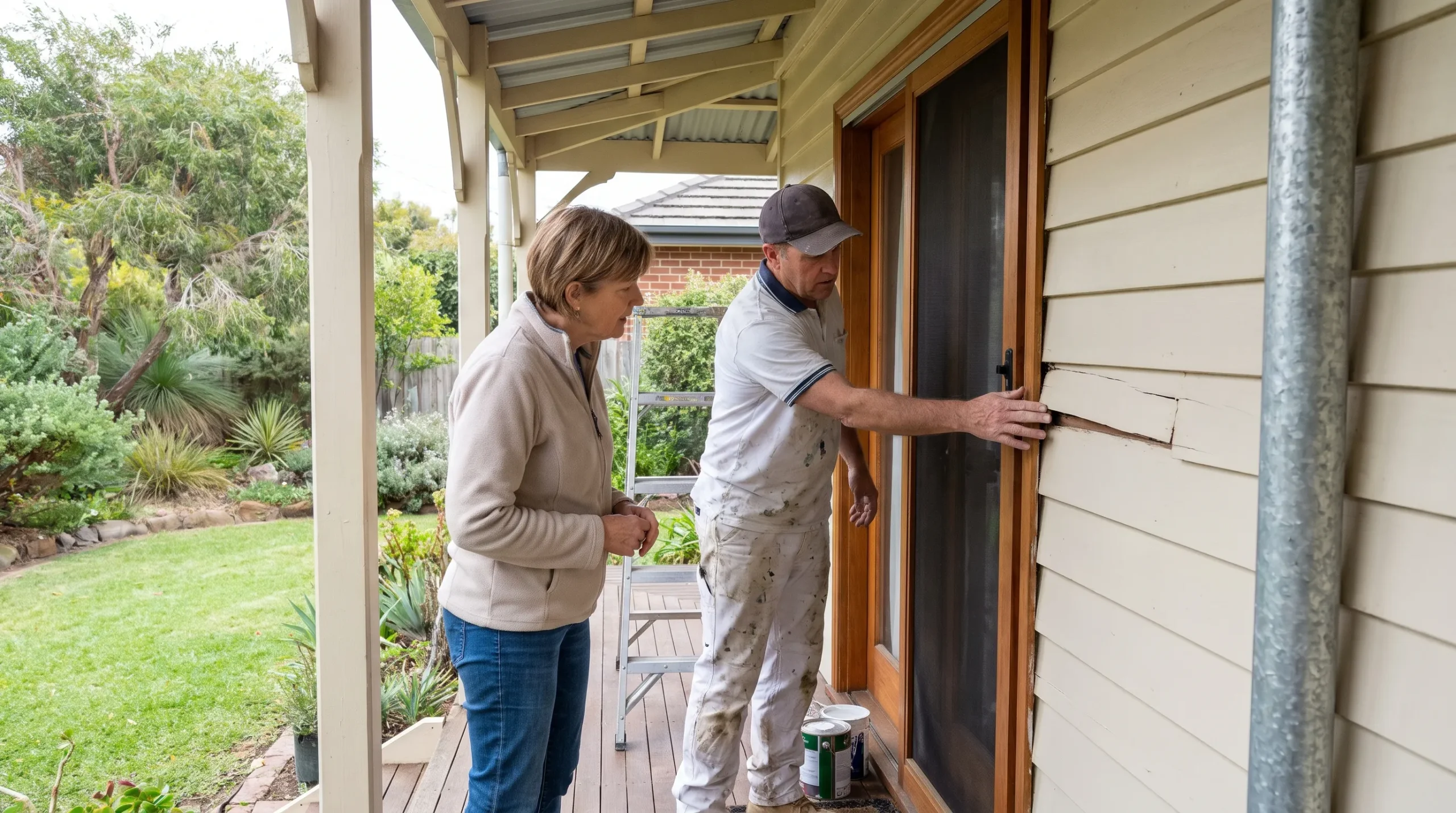
Walk around each elevation and record where the paint is peeling, timber is splitting or boards have pulled away from their fixings. Look closely beneath windows, around downpipes and near garden beds. These locations can reveal moisture problems that need investigation before painting.
Confirm what the cladding actually is. Traditional timber weatherboards, manufactured timber products and fibre cement boards can look similar from a distance, but their repair methods and coating requirements differ. Appearance alone is not enough to identify older materials safely.
Also note whether deterioration is widespread or concentrated in a few places. An exposed western wall may need a different preparation allowance from a sheltered verandah wall. Localised failure beside a downpipe may indicate a drainage defect rather than simply worn paint.
For exterior painting of a house with timber cladding, this condition assessment should determine the scope. Ask the painter to distinguish sound existing coatings, areas needing removal and boards that require assessment or replacement by an appropriate tradesperson.
Resolve moisture, damaged timber and hazardous materials first
Painting over damp or decayed timber usually postpones the repair rather than solving it. Check leaking gutters, failed window detailing, plumbing leaks and vegetation holding moisture against the wall. Where the cause is unclear, arrange a building or carpentry assessment before committing to a painting date.
Sound, accessible board ends may need particular attention because exposed end grain can absorb moisture. Soft, crumbling timber needs proper assessment, not a thick layer of filler. Ask who will authorise repairs and how replacement boards will be prepared before installation.
Older paint can contain lead, while some older cement-based cladding may contain asbestos. Do not sand, scrape, pressure-wash or drill suspect materials until they have been assessed. The Victorian Government’s asbestos guidance explains identification and safe management considerations. Suspected lead coatings also need an appropriate assessment and controlled work method.
Avoid treating every gap as a defect to fill. Weatherboard assemblies include overlaps and drainage paths that should not be indiscriminately sealed. Joint treatment must suit the cladding system and its installation requirements.
Define the scope for exterior painting of a house with weatherboards
A quote described only as “paint exterior” leaves too much room for different interpretations. Ask for the elevations, surfaces and preparation work to be identified in writing.
Use this checklist when comparing proposals:
| Scope item | What to clarify |
|---|---|
| Weatherboards | Which walls are included and whether concealed or inaccessible areas are excluded |
| Associated surfaces | Whether eaves, fascias, bargeboards, windows, doors and verandah details are included |
| Preparation | Cleaning method, coating removal, sanding controls and treatment of mould or chalking |
| Repairs | Included work, provisional allowances and responsibility for carpentry |
| Coating system | Named products, priming requirements and specified finish coats |
| Access and protection | Scaffolding, access equipment, covering adjacent surfaces and protecting planting |
| Completion | Waste removal, final inspection, touch-ups and written warranty terms |
Clarify how unexpected repairs will be priced and approved. A provisional allowance is not the same as a fixed inclusion, particularly when deterioration may be concealed beneath failing paint.
The cost of exterior painting of a house should reflect the actual wall area, condition, access and detail, not just the number of bedrooms. Auspainters’ guide to what changes exterior house painting prices explains those cost drivers in more detail. Compare quotes against the same scope rather than assuming the lowest total covers equivalent work.
Choose a coating system, not just a finish colour
The coating specification should suit the substrate, retained paint and exposure. A quality exterior acrylic system is commonly used on timber weatherboards, but compatibility still needs checking. Bare timber, stained areas and previously coated sections may require different primers within the same project.
Ask how the painter will assess adhesion and deal with chalky or unstable coatings. Applying another coat over poorly bonded paint does not restore its attachment to the timber. Where substantial existing paint is staying in place, the preparation approach matters as much as the topcoat brand.
Colour also affects the specification. Very dark finishes absorb more solar heat and can increase thermal movement in timber. Some manufactured cladding products have colour or light reflectance restrictions, so check the relevant product guidance before approving a deep shade.
Test colour samples on more than one elevation and inspect them in sun and shade. Keep the roof, gutters, brickwork and neighbouring finishes in view rather than judging a small swatch indoors.
When planning exterior painting of a house, have the agreed products, colours and sheen levels recorded before materials are ordered. This is especially useful when trims and weatherboards need different finishes.
Build Melbourne weather into the programme
A calendar booking is only the starting point. Suitable painting conditions depend on the product’s technical data, the temperature of the surface, moisture levels, humidity and the expected drying period.
Rain is not the only reason to pause. Morning dew, cold shaded boards, strong wind and hot sun can also interfere with preparation or application. A wall can remain unsuitable even when the air feels comfortable and the forecast looks clear.
Ask how the contractor will sequence the elevations. Depending on conditions, working around the house can help avoid hot surfaces or allow shaded areas more time to dry. The proposed programme should also allow for cleaning, repairs, primer drying and recoat intervals.
For exterior painting of a house in Melbourne, agree on weather-related delays before work starts. Clarify how changes will be communicated, how exposed areas will be protected and whether access equipment may remain on site longer than expected.
Avoid scheduling landscaping, window installation or gutter replacement immediately against the painting dates. Finish work that could damage or wet the new coating first, then leave enough flexibility for weather interruptions.
Organise access, protection and everyday use
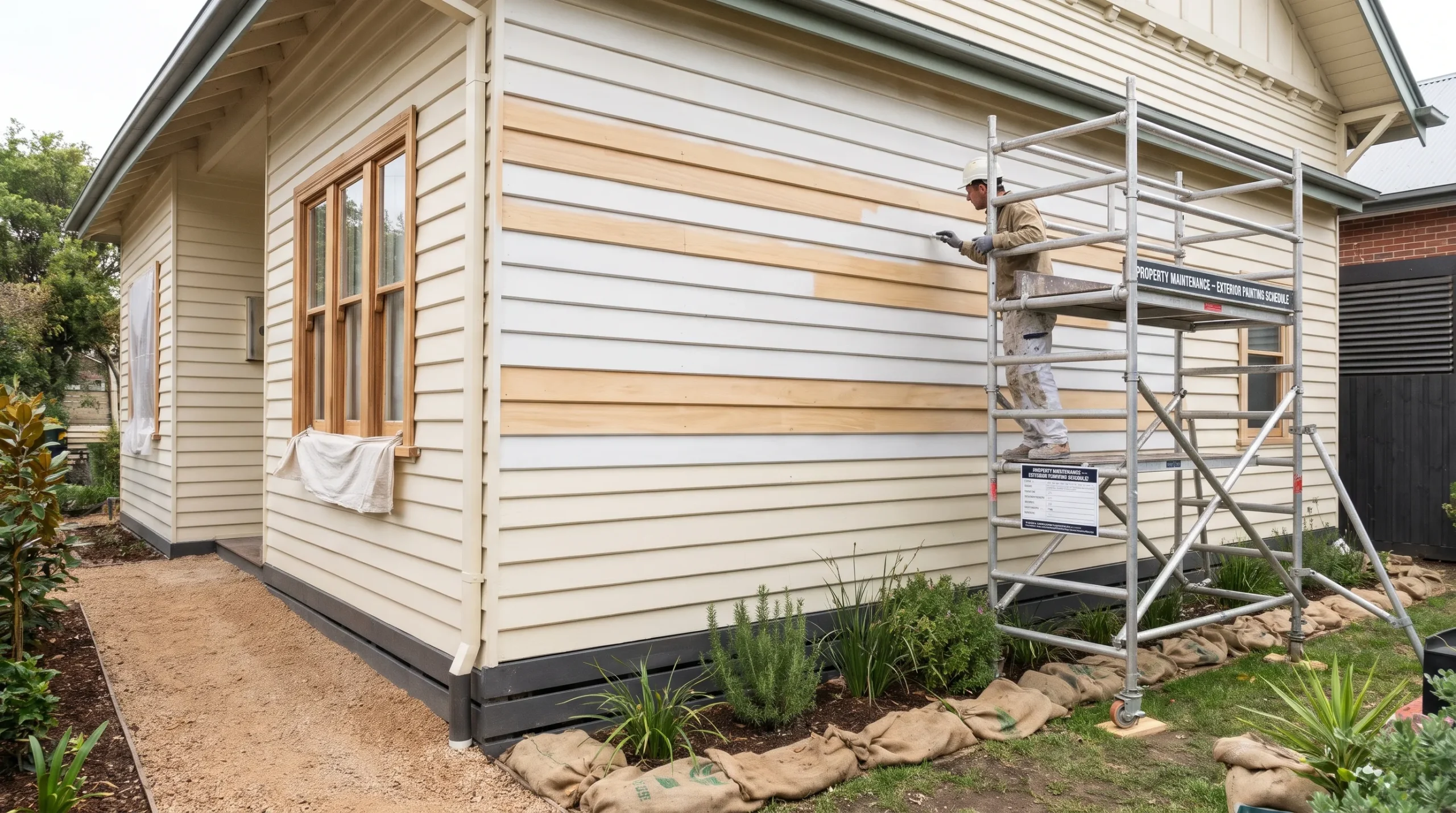
Access can be a significant part of the job on narrow side passages, sloping blocks and double-storey homes. The quote should identify suitable working platforms and any restrictions affecting setup. Do not assume an extension ladder is an adequate solution for prolonged work at height.
Discuss how the household will function during the project. Confirm access to entry doors, arrangements for pets, protection for outdoor furniture and where equipment will be stored. Neighbours may also need notice if access arrangements or work near a boundary could affect them.
For property-maintenance businesses also coordinating crew uniforms, a custom apparel development and production service addresses a separate need from protective equipment. Ordinary branded clothing does not establish protection against hazardous dust or chemicals; required PPE must follow the task’s safety assessment.
The practical scope for exterior painting of a house should include containment and cleanup, not just application. Ask how debris will be collected, how adjacent surfaces will be protected and what additional controls apply if hazardous materials are identified.
Decide where DIY stops
Homeowners can help by moving furniture, trimming plants where appropriate and recording visible defects from ground level. Confirm these tasks with the contractor so that well-intended preparation does not damage the cladding or interfere with the agreed method.
Leave suspected hazardous coatings, unstable boards, electrical hazards and work requiring fall protection to appropriately trained people. Washing can also cause problems if water is forced behind the boards, so do not assume aggressive pressure-cleaning is a useful way to reduce the bill.
If you want to understand preparation over retained coatings, Auspainters’ guide to painting an exterior over old paint provides more detail. Use it to discuss the proposed method, rather than to bypass material identification or site safety checks.
Agree on handover checks and future care
Before work starts, establish what completion will look like. The final inspection should cover the agreed surfaces, visible coverage, finish consistency and any damage or overspray on adjacent materials.
For exterior painting of a house with weatherboards, include these points in the walkthrough:
- Check board edges, repaired areas and accessible end grain for the specified coverage.
- Review windows, doors and trims included in the quote.
- Confirm that drainage openings and necessary clearances remain unobstructed.
- Record outstanding touch-ups and agree on how they will be completed.
- Obtain the product names, colour details, care advice and warranty documentation.
Keep those records for future repairs. Inspect the exterior periodically, especially around gutters, windows and exposed board ends. Address new leaks or local coating damage promptly rather than waiting for the whole house to look tired.
A workmanship warranty and the service life of a coating are different things. Read the written terms so you understand what is covered, what maintenance is expected and how to report a concern.
Frequently asked questions
How much does it cost to paint a weatherboard house exterior? There is no reliable single figure without assessing the property. Wall area, existing paint condition, timber repairs, architectural detail and safe access all affect the price. Request an itemised site-based quote and check whether repairs and scaffolding are fixed inclusions or allowances.
How many coats do weatherboards need? Follow the specified coating system rather than assuming every surface needs the same treatment. Bare timber may need a suitable primer followed by the specified finish coats. Previously painted areas need assessment for adhesion, compatibility and coverage before the system is confirmed.
When should exterior painting be postponed? Postpone application when the surface or forecast conditions fall outside the product’s requirements, or when timber is too damp. Rain, dew, excessive heat, wind and inadequate drying time can all affect the decision. Unresolved leaks and unsafe materials also need attention first.
How long should the job take? The programme for exterior painting of a house depends on preparation, repairs, access, coating requirements and weather. Ask for an estimated working duration plus a weather allowance, rather than a guaranteed completion date that assumes every day will be suitable.
Request a clear scope for your Melbourne home
Auspainters provides residential exterior painting across Melbourne, with free quotations, premium finishes and a final walkthrough. The business is Dulux accredited, fully insured and OHS compliant, and offers a 5-year workmanship warranty.
When requesting your quote, share photographs of damaged areas, identify any planned building work and flag access restrictions. Ask for the preparation, repair allowances and coating system to be documented so you can make an informed decision. Contact Auspainters for a free quotation and discuss the scope your weatherboard home needs.